Complementing all the glitter and glam are concrete creations that make heads turn. A 144-foot-tall mountain peaks above the resort’s sprawling 192 acres.


The world's foremost resource on decorative concrete
Complementing all the glitter and glam are concrete creations that make heads turn. A 144-foot-tall mountain peaks above the resort’s sprawling 192 acres.

Thousands of contractors use decorative concrete in commercial projects because it is attractive, durable, affordable and easy to maintain. This article is about the explosion in commercial decorative work and how it may benefit your company
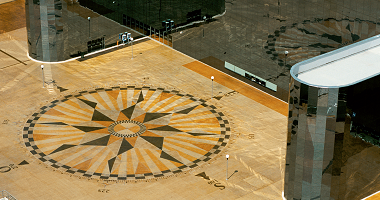
Mexico’s decorative concrete construction industy lags behind the decorative industry in the United States, but staining and other techniques for coloring concrete are helping this contractor flourish south of the border.
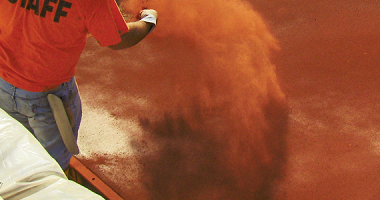
There’s more to color hardener than color. The material inspires a chemical reaction, and it works best when worked in with a float. Timing is essential, and so are the right tools.

Artists can use Quick Draw to create large and highly detailed designs comfortably from a standing position. For detailed drawing, the chalk-holder piece of the assembly, called simply Quick Draw, can be removed and used alone.
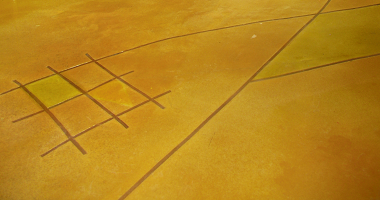
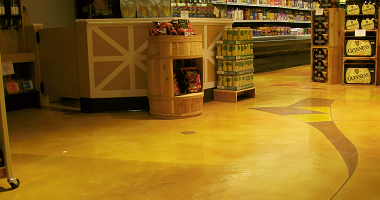
If you think that converting 22,000 square feet of flooring from heavily pitted ceramic tile to sleek, glossy, stylish concrete isn’t hard enough, try completing your mission in a “live” supermarket. Take on the added challenge of racing the clock in the middle of the night to get one section completed before the daily load of feet and shopping-cart wheels travels over its still-unfinished and barely dry surface.
Green building has been making a lot of headlines lately — it seems as if you can’t turn on the TV, read a magazine or attend a conference without hearing about it. You have probably heard the buzz about LEED and wondered how this building rating system applies to you. Green building is the next step for the decorative contractor industry, and LEED will help you and your business take that step

ASTM International is one of the largest voluntary standards development organizations in the world — a trusted source for technical standards for materials, products, systems and services. Standards developed at ASTM are the work of more than 30,000 ASTM members.

The purpose of the retaining wall remains unchanged — to hold back dirt — but decorative concrete offers a solution to improve the appearance of retaining walls.
A primer on primers! Here’s some information on pretreatments that will stick with you. So the use of bonding primers can serve two purposes when applied to concrete before topcoating, sealing the concrete surface and developing a bond line for a coating or topping to bond to the substrate.


