
Resin Is No Longer a Coating. It Is a Medium
In our previous article “Demystifying Sealers and Resinous Coatings”, as the name entails, we clarified what resinous systems are and how to select them properly. Here, in this edition, we expand that conversation further into where they are going and what they are becoming.
As Matthew Casto says, resins are no longer just coatings. They are a medium for artistic expression, capable of delivering versatile aesthetics and long-term durability when thoughtfully selected and properly installed.
For decades, resinous systems were associated almost exclusively with industrial flooring. Warehouses, manufacturing plants, food processing facilities, and pharmaceutical environments relied on resin because it was seamless, chemical resistant, and durable. It performed well under stress, and that performance defined its reputation.
But something changed.
The same properties that made resin indispensable in industrial settings began to attract designers and themed environment builders. Seamless transitions, custom coloration, controlled texture, impact resistance, and moisture tolerance suddenly had creative value. Resin was no longer simply protecting concrete. It was shaping the experience above it.
It is time we stop calling resin just an industrial floor. The shift is not theoretical. It is already happening in parks, attractions, and immersive environments around the world. The difference lies not in abandoning performance, but in applying it with intention.
Resin systems are not replacing concrete. They are extending its vocabulary.
How Resin Found Its Creative Voice
Industrial resinous systems were engineered to solve problems. They resisted acids, handled thermal shock, tolerated heavy loads, and simplified maintenance. Those same technical advantages became valuable in environments where durability and storytelling must coexist.
Themed spaces demand visual continuity. They require surfaces that can withstand constant foot traffic, cleaning cycles, humidity, and environmental exposure. They also require detail, depth, and realism.
Resin delivers both.
When properly bonded to a prepared substrate, resin becomes an engineered layer capable of accepting broadcast media, custom pigments, imprinted patterns, and multilayer builds. It can be textured, glossed, or muted. It can transition seamlessly from one zone to another without cold joints or mechanical fasteners interrupting the visual field.
As we discussed in our previous article on resins, system selection is not about appearance alone. It is about compatibility, performance expectation, and lifecycle thinking. In themed environments, that same disciplined logic drives system selection and aesthetics.
The evolution becomes clearest when examining the systems themselves.
Hybrid Creativity: Where Systems Intersect
In immersive environments, resin is rarely a single-layer solution. It operates as part of a broader strategy where materials are layered, modified, and sequenced to achieve both aesthetic depth and engineered durability.
Hybrid resinous applications combine multiple installation phases and compatible material technologies to deliver visual richness without compromising structural integrity. Base layers may be engineered for moisture tolerance and impact resistance. Intermediate layers may regulate texture or adhesion. Surface treatments may introduce pattern, depth, slip control or UV stability. Each layer serves a purpose, and each must work in harmony with the others.
This is not experimentation for novelty’s sake. It is deliberate system architecture.
In this approach, resin is no longer a single product applied at the end of construction. It becomes a coordinated toolkit. A layered medium capable of supporting storytelling while quietly meeting the rigorous demands of high-traffic immersive environments.
Five Resin Systems Reshaping Immersive Environments
1. Imprinted Epoxy Mortar Systems
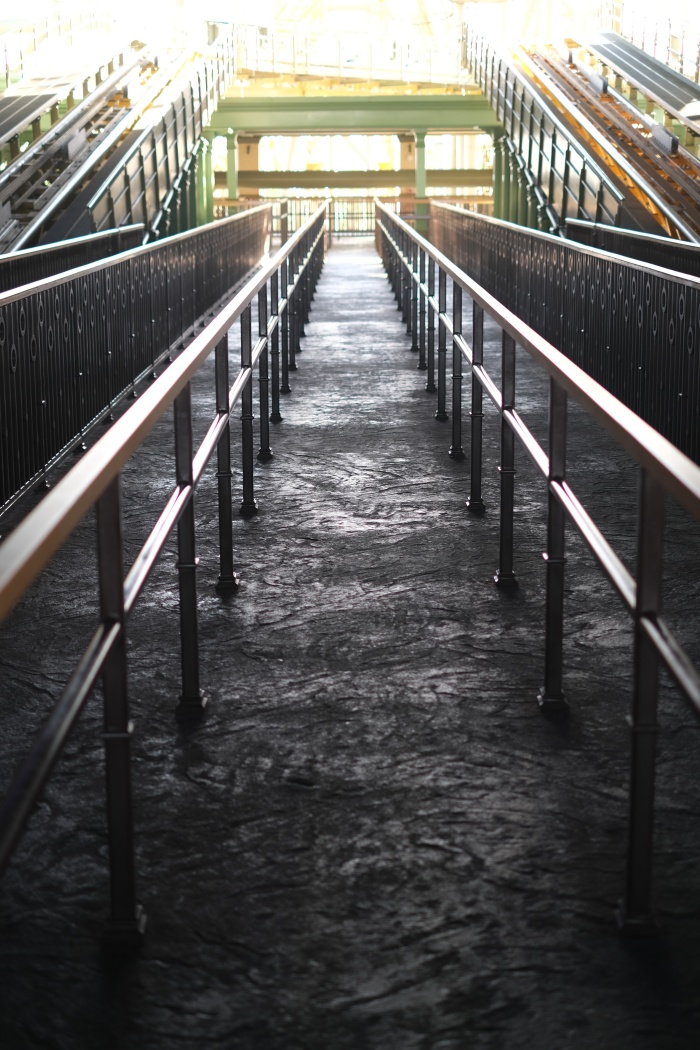
Imprinted epoxy mortar systems begin with a carefully selected gradation of sands bound together with an epoxy resin to create a dense, structural mortar. Unlike cement based overlays, this single build system does not shrink or crack during curing. Once placed, the surface remains workable long enough to be imprinted, allowing replication of stone, brick, tile, or custom patterns with remarkable realism.
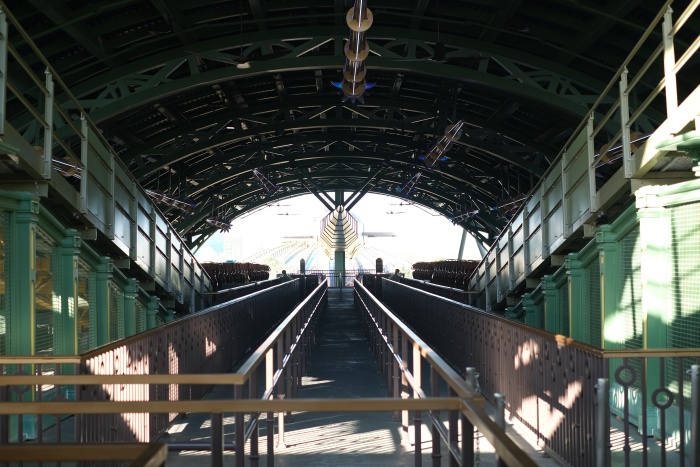
Technically, these systems deliver high compressive strength, impact resistance, abrasion tolerance, and strong mechanical bond when installed over properly profiled substrates. They can be applied over concrete, metal, stone, or wood, and are suitable for areas that require waterproofing. The resin and sand matrix provides water resistance and chemical durability, making the system a significant performance upgrade over traditional concrete or cement based mortar systems. Pigments integrated into the resin allow design flexibility, including imitation of natural stone and wood. These systems are ideal for interior or shared spaces not in direct ultraviolet exposure.
 |
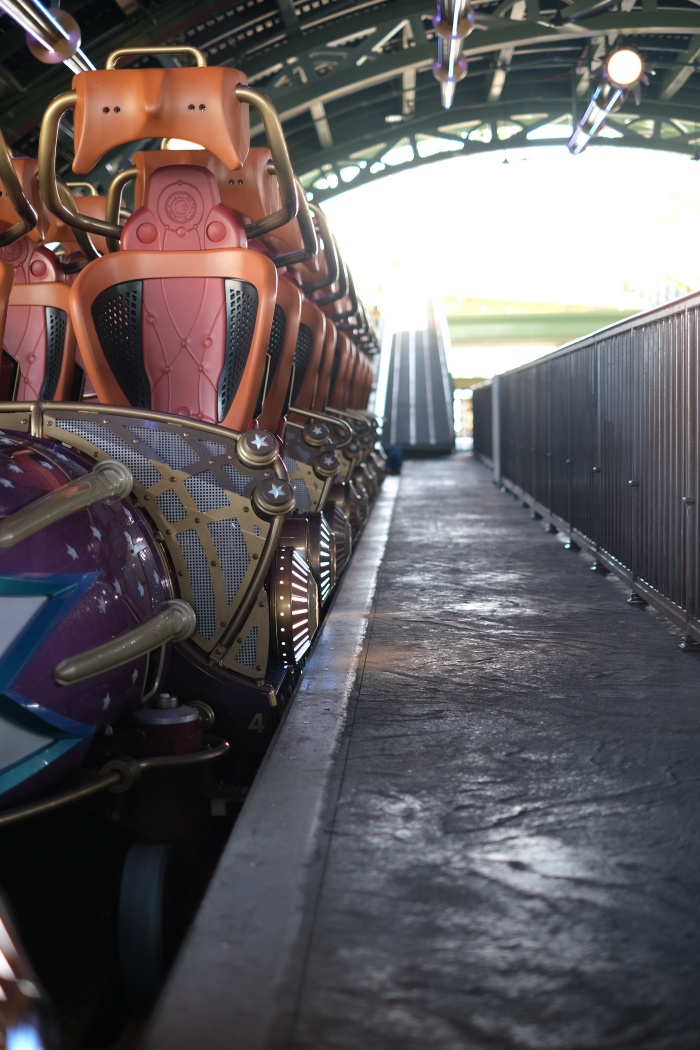 |
Case Study: Universal Epic Universe – Star Coaster Queue and Platform
Location: Epic Universe, The Wizarding World of Harry Potter™ – Ministry of Magic™
Application Area: Attraction queue line and ride load and unload platform
In this project, the elevation difference between the existing load and unload platform and the adjacent concrete substrate was only one half inch. This constraint required a precise thin build solution capable of delivering both aesthetic continuity and structural performance. The installation was located on the second floor of the attraction, requiring a waterproofing membrane beneath the decorative finish to protect the structure below.
The environment presented unusual technical challenges. The coaster generates constant vibration, and more than six hundred handrail penetrations passed through the surface. The system therefore required careful integration of materials, reinforcements, and waterproofing components to ensure durability and long term performance.
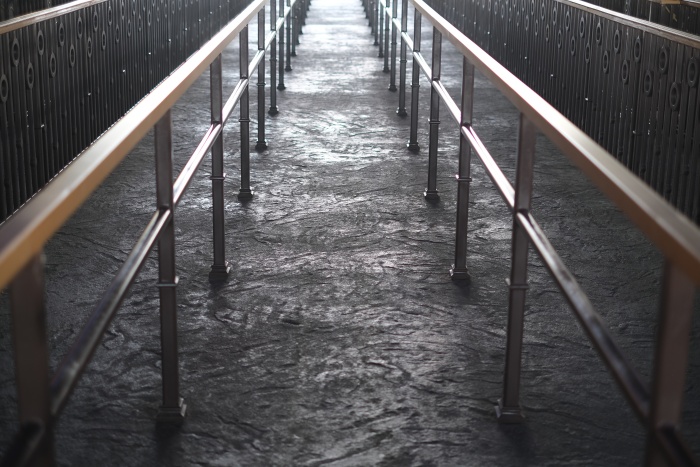
Performance requirements included:
- High compressive and impact resistance
- Water resistance
- Abrasion tolerance under constant foot traffic
- Resistance to cleaning chemicals
- Waterproofing capability
- Flexibility
- Thin build application
Aesthetically, the design intent called for natural stone texture with a multi colored grey palette. The pattern consisted of rectilinear bands and square panels, finished with a natural satin sheen. The imprinted epoxy mortar system delivered a monolithic, fully bonded surface that could be shaped and detailed to meet the immersive storytelling goals while providing industrial grade durability beneath the aesthetic layer.
2. Imprinted Thermoplastic Systems
Imprinted thermoplastic systems are composed of preformed sheets of high performance thermoplastics that are installed through controlled thermal heating. Originally developed as functional coatings with fifteen to twenty year lifespans on asphalt for crosswalks, line striping, accessibility markings, and warning signage, this technology is evolving into a creative tool within themed environments.
These systems are heat applied and bond to properly prepared substrates. During installation, the material can be stamped, textured, and colored using release powders, allowing it to replicate wood, stone, or custom graphic elements. Once cooled, the surface becomes impermeable, durable, and accessible in approximately thirty minutes, supporting rapid return to service and efficient project sequencing.
Chemically distinct from epoxy systems, thermoplastics rely on heat fused polymer compositions. With the appropriate primers, they can be installed over steel, concrete, asphalt, stone, and other substrates. The need for thermal application generally makes them best suited for exterior or high traffic environments where scheduling constraints demand speed and reliability.
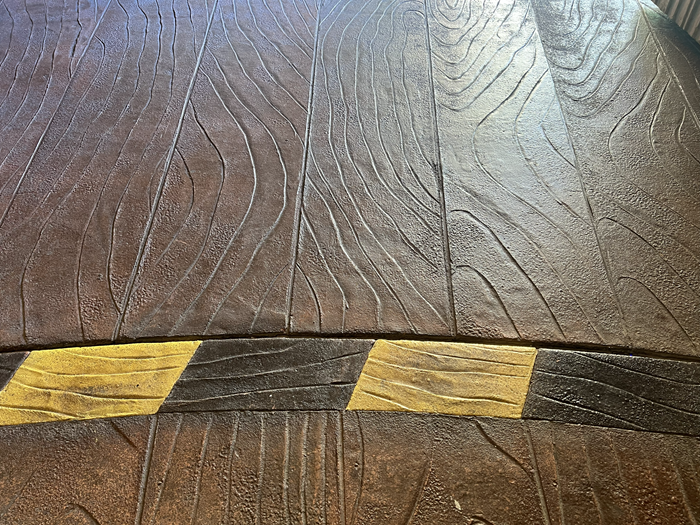
Case Study: Universal Epic Universe – Yoshi’s Adventure
Location: Epic Universe, Super Nintendo World™, Yoshi’s Adventure Carousel
Application Area: Moving steel load and unload platform
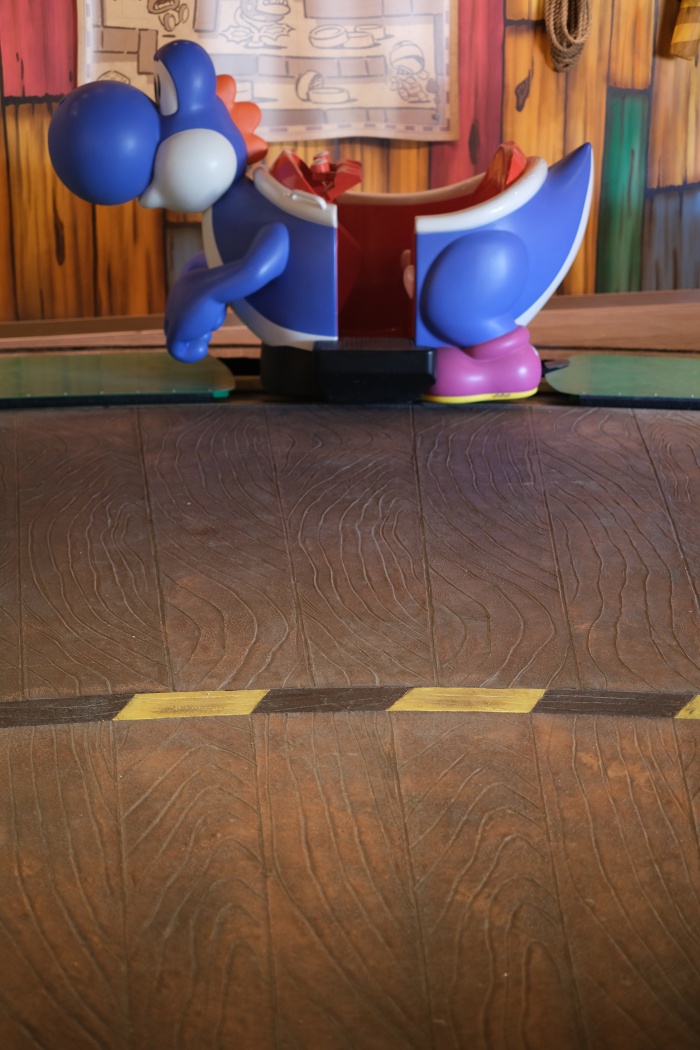
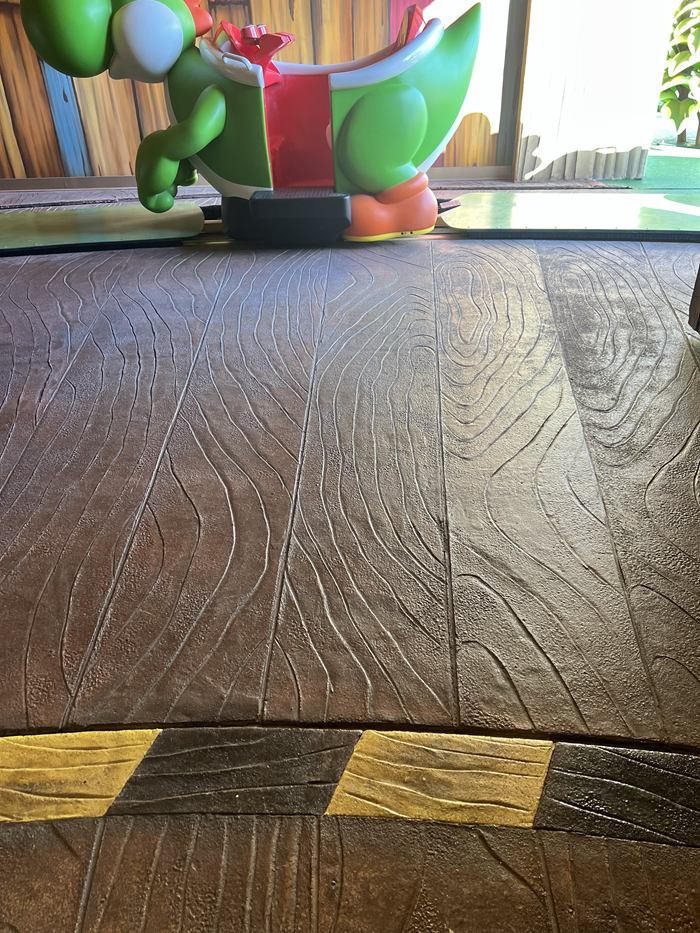
This installation involved a moving steel load and unload platform for a roller coaster attraction. The elevation difference between the metal platform and the adjacent concrete deck was only one eighth inch, requiring a highly precise thin build overlay system.
As the project was completed during ride testing, installation was restricted to a strict six hour window from midnight to six in the morning to avoid disruption to operations. The selected system needed to bond to a metal substrate, accommodate movement, and return to service immediately after installation.
 |
 |
Performance Requirements:
- Bond to metal substrate
- High flexibility to accommodate movement of a steel platform
- Thin build application at one eighth inch
- Very fast cure and turnaround
- High abrasion resistance
- Rapid installation and curing
- Strong adhesion to properly prepared substrates
- Weather resistance in exterior or semi exposed environments
- Surface texture capable of maintaining slip resistance
Aesthetic Demands:
- Texture: Wood plank
- Color: Multi colored brown
- Pattern: Round shaped trapezoidal planks
- Sheen: Natural and satin
Unlike thicker mortar systems, thermoplastics offered flexibility in scheduling and installation sequencing. Their ability to be reheated and reworked provided controlled imprint detail while maintaining durability under pedestrian load.
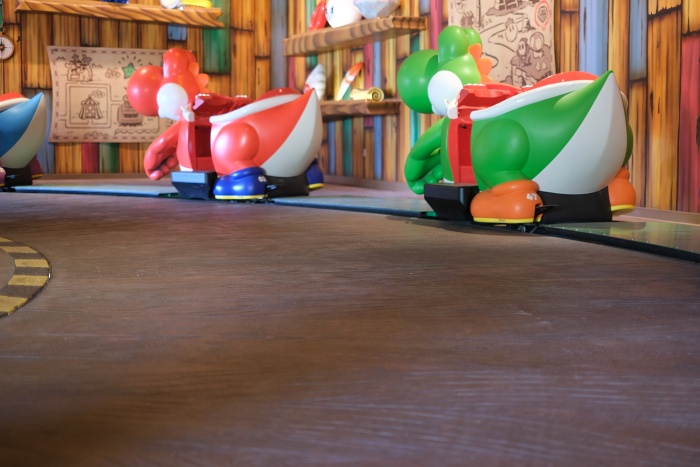
This case demonstrates how resinous technologies adapt to real construction constraints. Here, the system delivered storytelling elements and a textured surface treatment within a demanding time frame, reinforcing the idea that resinous solutions can meet aggressive performance requirements without compromising immersive design intent.
3. Broadcast Quartz and Micromedia Systems
Broadcast quartz and micromedia systems are multilayer resin builds that incorporate graded mineral or flake media into high performance epoxy and urethane resins. Aggregates are broadcast into a resin base coat and encapsulated with subsequent layers, creating a mechanically bonded surface in which the media becomes locked within the resin matrix.
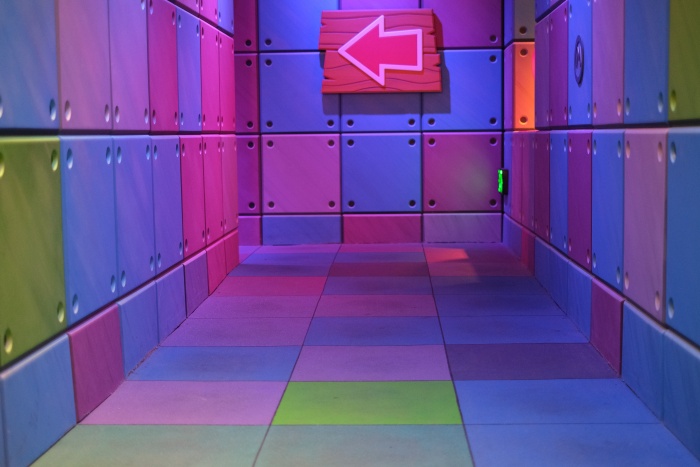
These systems are highly adaptable and are particularly effective where elevation tolerances are minimal. They can be applied over concrete, tile, stone, or metal substrates, making them ideal for renovation of existing surfaces.
The size, type, and pigmentation of the media determine texture, slip resistance, and visual depth. Micro media allow for finer transitions and smoother finishes, while larger blends introduce more pronounced texture and dimensionality. The system can be finished smooth or with controlled micro texture, both of which are easy to maintain. It is often used as an alternative to resinous terrazzo where budget or structural constraints limit thicker installations.
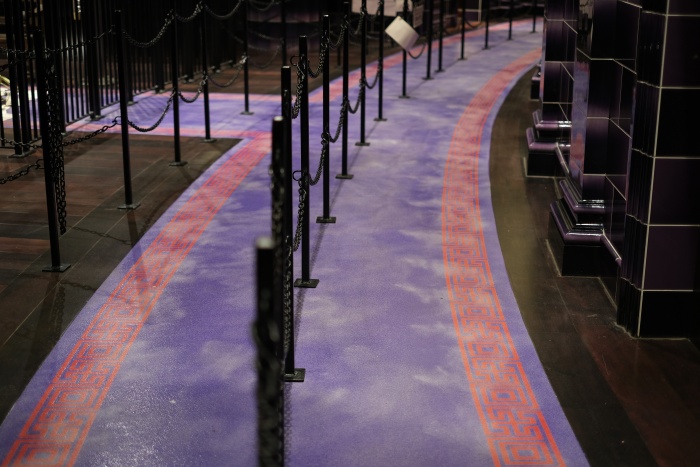
These systems are suitable for a wide range of environments including lagoons, water parks, splash pads, retail spaces, kitchens, hospitals, schools, airports, and arenas. They offer excellent abrasion resistance, chemical tolerance, anti anti-slip performance.
Case Study: Universal Epic Universe – Interior and Transitional Zones
Location: Epic Universe (Multiple Locations)
Application Area: Interior flooring and transitional themed environments
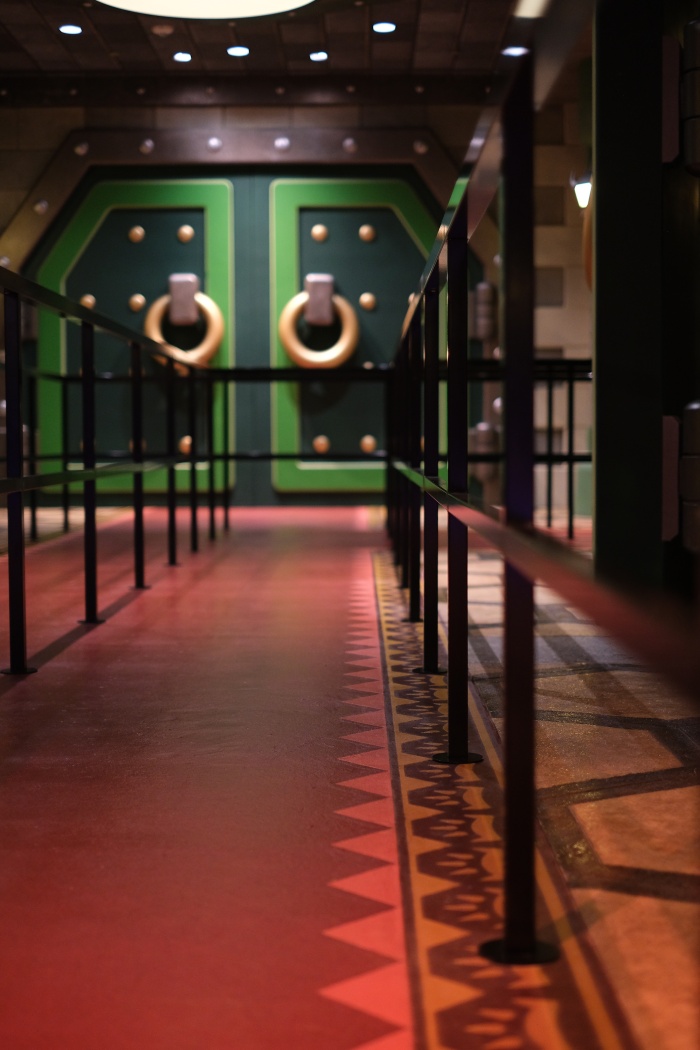
This project involved a series of interior flooring installations designed to resemble natural sand, plush carpet, and exotic smooth panels. Adjacent floor finishes were set at the same elevation, requiring an extremely thin build solution over the existing concrete substrate.
 |
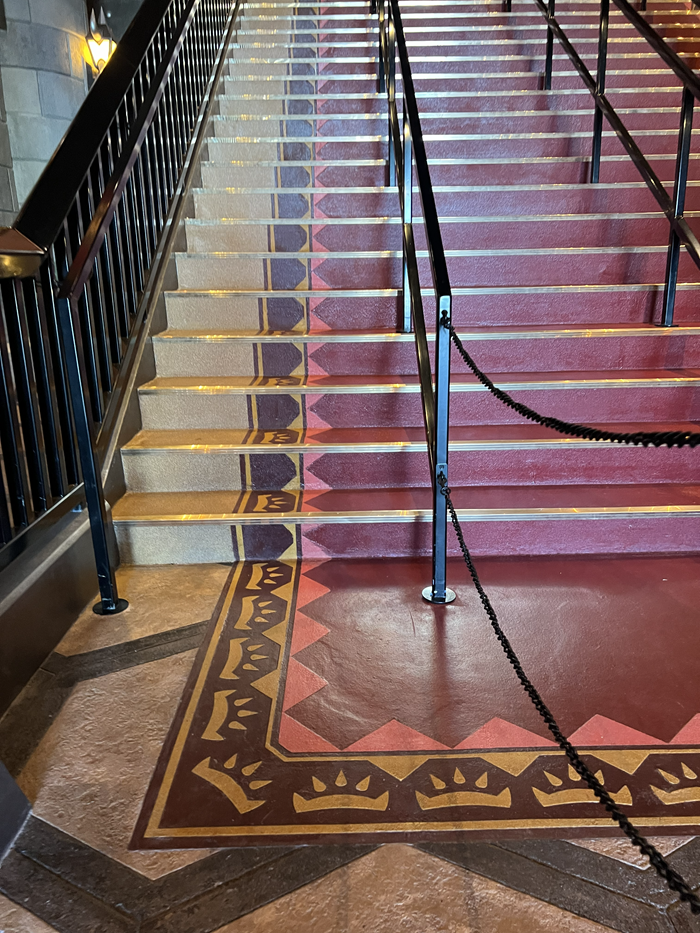 |
The complexity of the design and the vibrancy of the color palette required a resin system capable of maintaining color consistency while resisting continual foot traffic.
Performance Requirements:
- Abrasion resistance under sustained pedestrian load
- Chemical resistance for cleaning and maintenance
- Slip resistance in high traffic guest environments
- Uniform texture and consistent coloration
- Long lifecycle performance
Aesthetic Demands:
- Texture: Smooth to sand paper micro texture
- Color: Multi vibrant palette including red, yellow, tan, blue, and purple
- Pattern: Detailed stencils, imitation sands, carpet effects, and water inspired motifs
- Sheen: Satin
The broadcast method created mechanical interlock between layers, increasing system resilience while maintaining thin build compatibility. Micromedia aggregates enabled subtle color blending and smooth visual transitions between zones of varying design intensity.
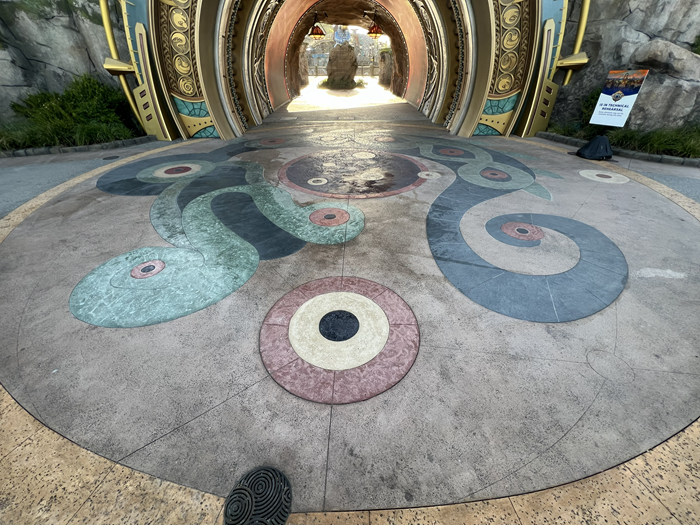
This installation demonstrates how multilayer resin systems can achieve architectural storytelling objectives while meeting strict performance standards. What began as an industrial broadcast technology evolved into a refined design medium.
4. Urethane Cement and Flake Combination Systems
Urethane cement systems are thick build mortars engineered for aggressive performance conditions. In this configuration, the urethane cement base is integrated with high performance methyl methacrylate resin components and broadcast with colored paint flakes before being sealed with protective topcoats.
This multi step system combines the industrial impact strength and moisture tolerance of urethane mortar with the chemical durability and fast cure characteristics of MMA. The result is a surface capable of withstanding heavy traffic, thermal shock, cleaning cycles, and environmental exposure while still offering creative flexibility in texture and color.
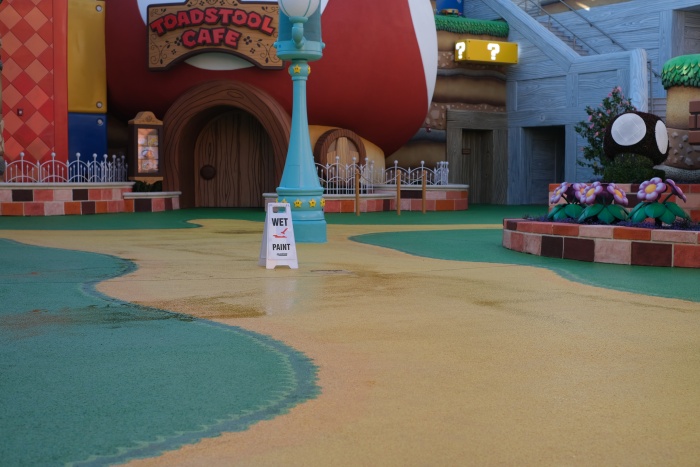
Urethane cement bonds aggressively to properly prepared concrete and can tolerate higher levels of moisture vapor transmission than many conventional resin systems. It is particularly suitable for application over damaged or compromised substrates, offering aggressive negative side moisture mitigation. The flake broadcast layer introduces visual depth and color variation, while encapsulating coats provide abrasion resistance and long term protection. Its UV resistance allows for both interior and exterior use.
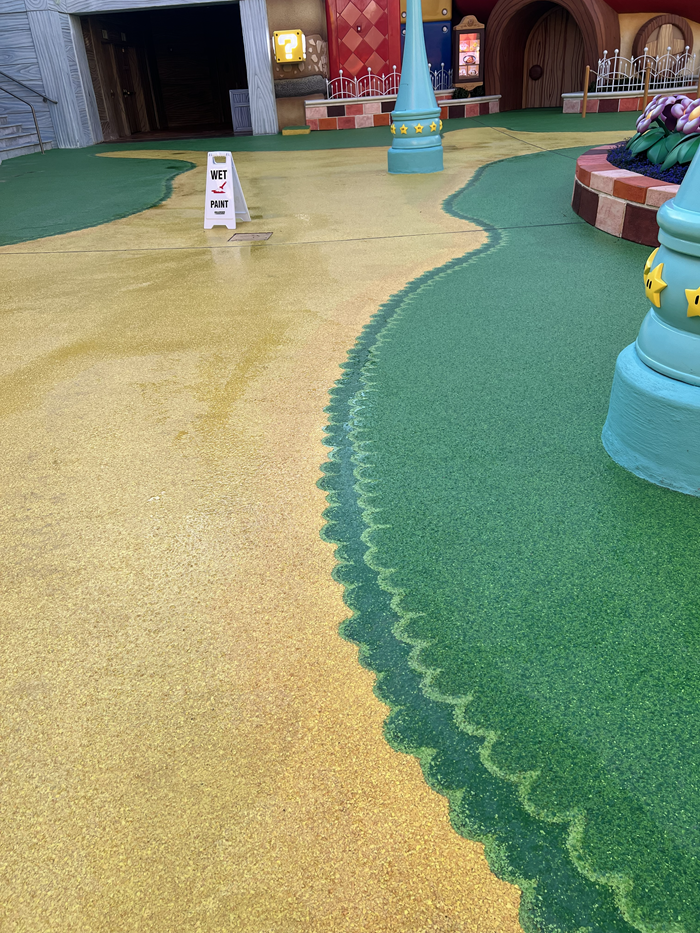
Case Study: Universal Epic Universe – Super Nintendo World™ Multi-level Central Plaza Courtyard
Location: Epic Universe, Super Nintendo World
Application Area: Exterior plaza and courtyard spanning first and second floors
This project involved a guest facing exterior plaza and courtyard designed for leisure and entertainment. Adjacent floor finishes were three eighths of an inch higher than the existing concrete substrate, requiring a precise thin build solution that could bridge elevation constraints without compromising durability.
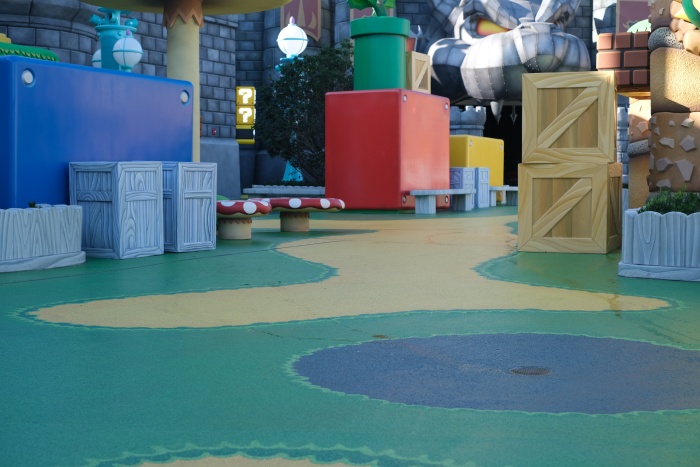
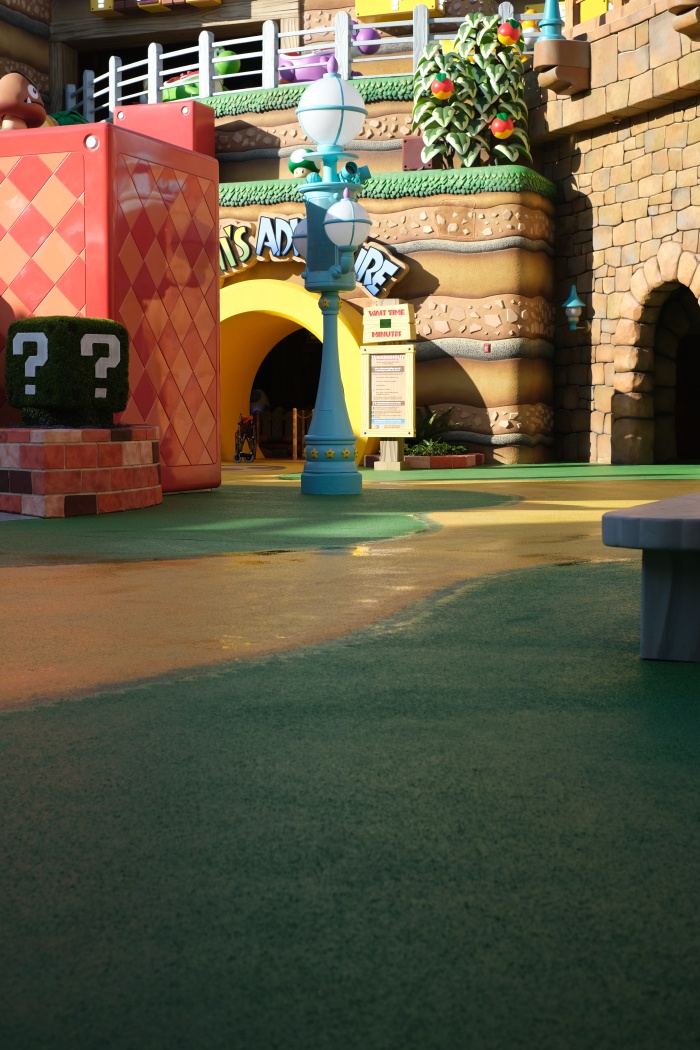
The installation spanned both ground and elevated levels. The ground floor required moisture vapor control to protect against rising dampness beneath the decorative surface. The design palette was vibrant and highly visible, requiring a fast curing resin capable of maintaining color consistency while resisting ambient heat and ultraviolet exposure.
Urethane cement combined with flake broadcast layers was selected in areas requiring aggressive moisture tolerance and impact resistance while still maintaining visual cohesion with adjacent themed finishes.
Performance Requirements:
- Aggressive moisture vapor control
- Flexibility
- Fast cure
- Abrasion and chemical resistance
- High tolerance to thermal shock
- Resistance to moisture vapor transmission
- Impact durability
 |
 |
Aesthetic Demands:
- Texture: Orange peel and dimpled
- Color: Multi vibrant yellow and green
- Pattern: Non linear imitation grass
- Sheen: Natural and satin
This installation reinforces a central idea of this article: durability does not require sacrificing design intent. Performance and aesthetics can operate together when the system is engineered with purpose.
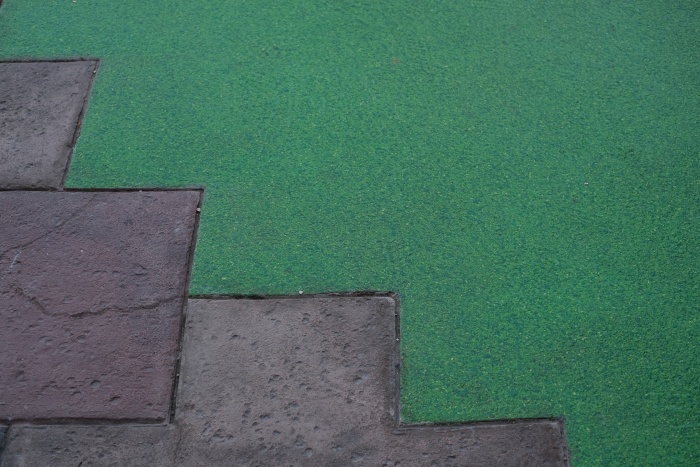
5. Multilayered Prefabricated Resinous Systems
Multilayered prefabricated resinous systems represent a shift toward controlled fabrication and precision driven installation. Developed to meet the demanding design and performance needs of themed environments, these systems combine aesthetic complexity with long term durability through a carefully structured, layered approach.
The process is typically organized into three coordinated stages.
An epoxy base coat combined with a moisture vapor barrier.
A prefabricated composite stencil layer designed with intricate patterns and textures.
A clear urethane topcoat for protection and ongoing maintenance.
The foundational epoxy layer provides both adhesion and protection against moisture intrusion and alkalinity migration. This base establishes a stable platform for the layers above. The prefabricated acrylic stencil, which is thin, adhesive backed, and predesigned, introduces highly detailed visuals that replicate complex materials and patterns with precision that traditional cast in place systems may struggle to achieve. The final clear urethane topcoat protects the stencil layer and is designed to be maintainable and recoat friendly, preserving both surface integrity and aesthetic clarity over time.
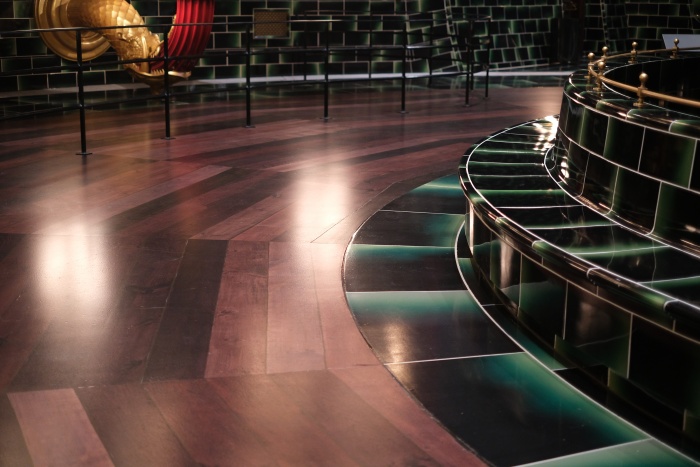
Case Study: Universal Epic Universe – The Wizarding World of Harry Potter™ – Ministry of Magic™ & Super Nintendo World™
Location: Epic Universe, Ministry of Magic™ & Super Nintendo World™
Application Areas: Themed interior flooring environments
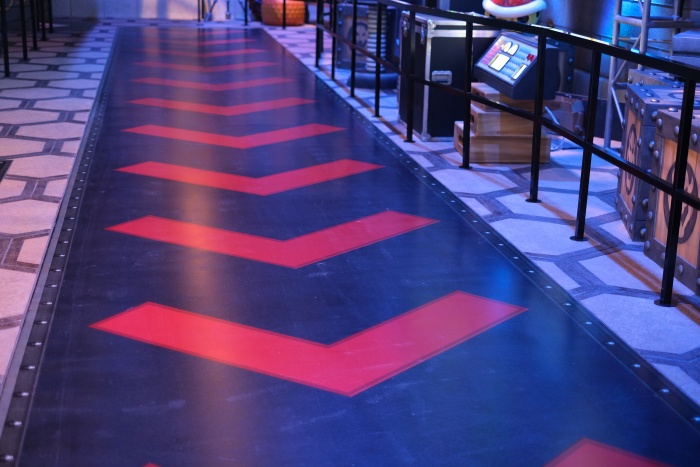
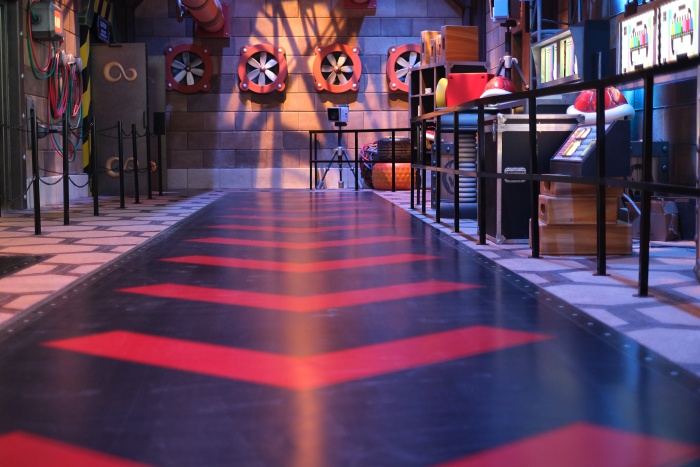
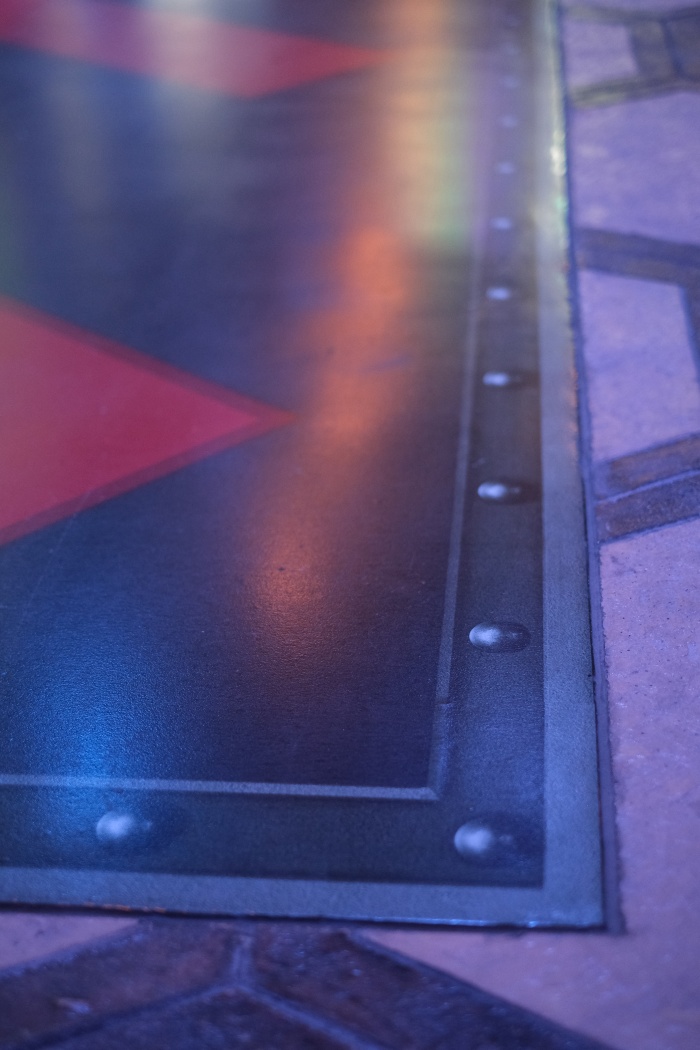
This multilayered prefabricated system has been utilized across several highly detailed themed floors, including wood and tile simulations inside the Ministry of Magic and a moving belt track representation inside Super Mario Kart. Each required a high level of visual precision and alignment with adjacent scenic elements.
 |
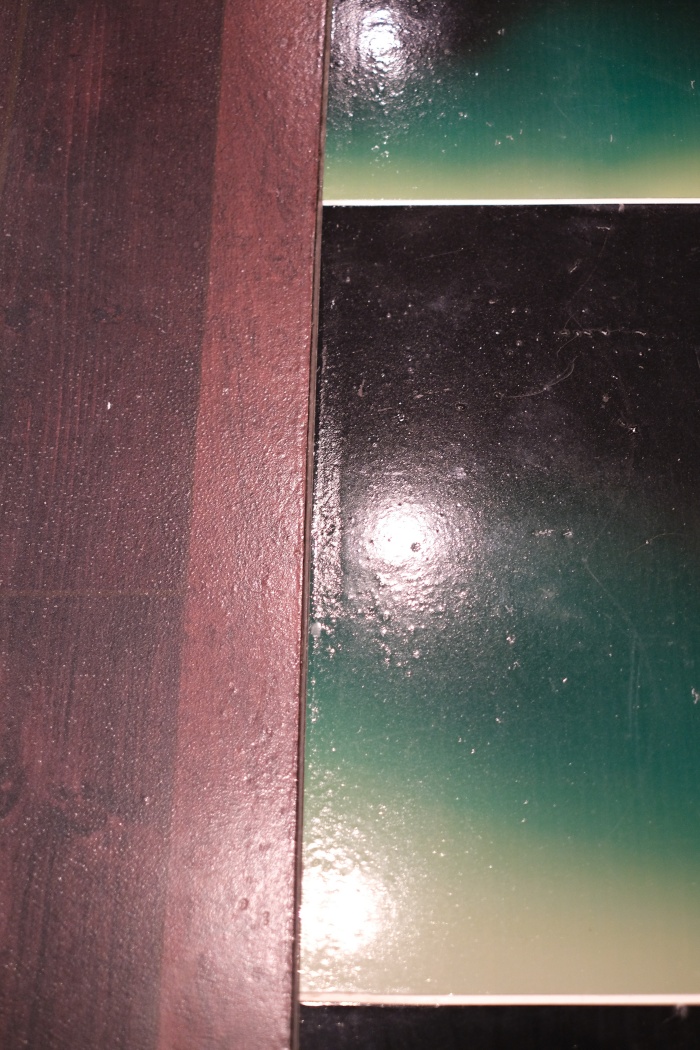 |
To achieve the artistic complexity demanded by these spaces, a prefabricated multilayer approach was developed. The system combined the structural reliability of resinous flooring with the fabrication accuracy necessary to reproduce intricate wood planks, tile grids, and belt track textures.
Performance Requirements:
- Moisture and alkalinity protection
- Abrasion and impact resistance
- Topcoat recoating and maintenance capability
- Reliable adhesion to prepared substrates
- Compatibility with adjacent scenic elements
Aesthetic Demands:
- Texture: Simulated wood grain, tile, and metal belt track textures
- Color: Pre colored stencil patterns matched to themed designs
- Pattern: Highly detailed and theme specific layouts
- Sheen: Satin or customized clear finish maintained through topcoat
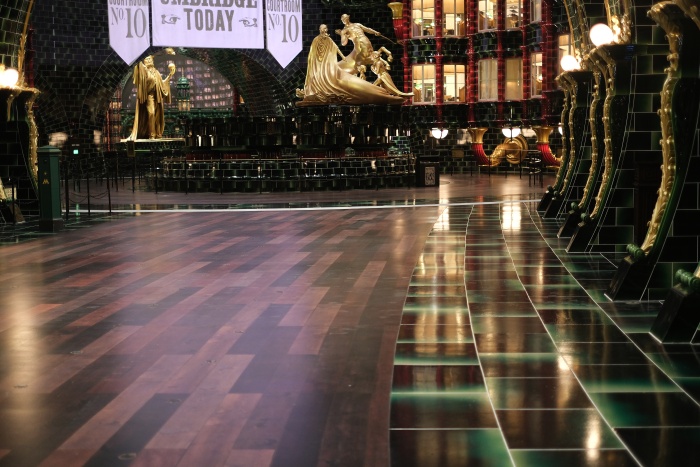
This system highlights that resin innovation is not only about chemistry. It is also about process control, fabrication strategy, and construction logistics working together to deliver durable performance within complex storytelling environments.
Expanding Imagination While Staying Grounded
Themed entertainment has proven resin’s creative capacity. The technical foundation has always been there. The industry mindset is catching up.
Resin is engineered chemistry. It is not decorative paint. It demands substrate preparation, moisture awareness, bond compatibility, and disciplined installation.
The future of immersive environments will continue to rely on materials that deliver both story and structure. Resin systems already do.
The question is whether we are willing to see them that way.
The Informed Path Forward
As in our previous discussion on resin system selection, clarity begins with understanding. System thinking must replace product thinking. Compatibility must guide specification. Performance expectations must be defined before aesthetic decisions are finalized.
Bonding, moisture control, substrate profiling, and environmental evaluation remain foundational. Without them, no resin system, no matter how advanced, will succeed.
The evolution of resin in immersive environments is not speculative. It is already installed, performing daily, and redefining expectations.
Resin found its creative voice when the industry allowed performance and imagination to work together.
And it is only getting stronger.