

Say goodbye to plain old gray concrete
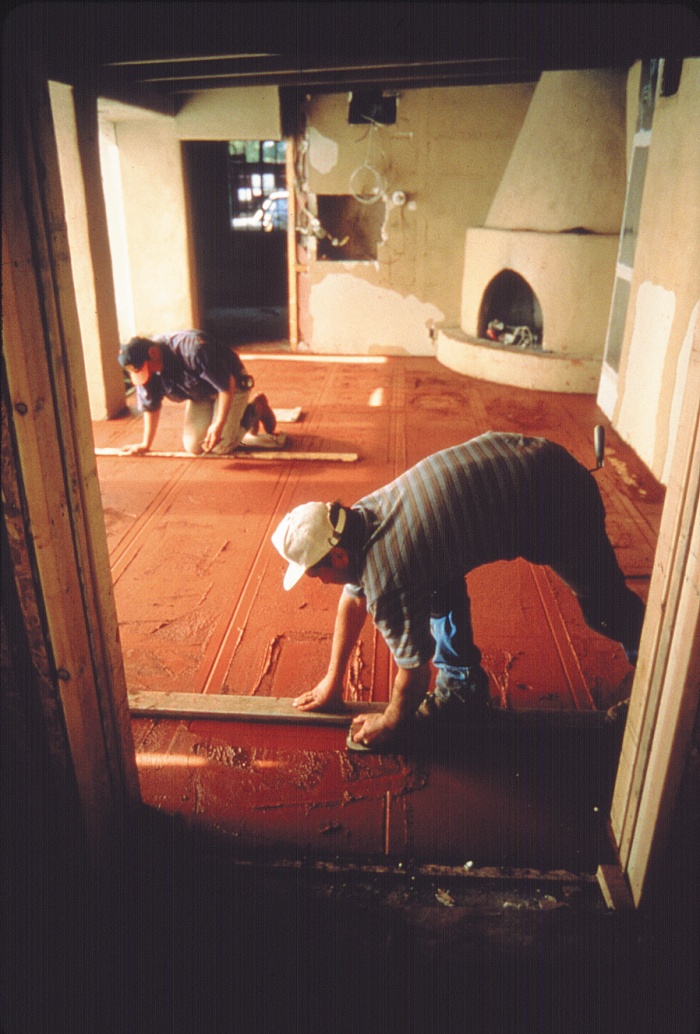
Say hello to integrally colored concrete. It is time to color the world with integrally colored concrete. If you have good knowledge and technique working with non-colored concrete, you should be looking for opportunities to sell integrally colored concrete projects, because you already have the necessary skills. Often selling a colored concrete job is as simple as letting the client know it’s available.
Concrete, the traditionally utilitarian product we all grew up with, is a nice design medium. For many people, it just doesn’t enter their minds. Nick Paris, vice president of marketing at Davis Colors, observes that though residential driveways and commercial building entrances comprise the majority of colored concrete sales, there are a variety of other opportunities.
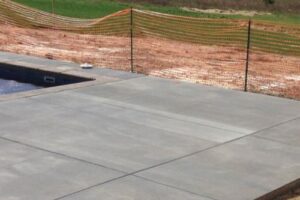
Patios, swimming pools, basement floors, walkways, garden walls and flowerbed edging are just a few ideas. Use integrally colored concrete on vertical and tilt-up projects where the color should be uniform throughout. Other concrete-related industries produce integrally colored pavers, masonry blocks and stucco. Integrally colored concrete is another design option like other concrete coloring techniques, such as stains and paints.
Natural and synthetic pigments
When you’re talking about integrally colored concrete, you’re talking about pigments, not dyes. “Pigments are insoluble particles that have to be glued on or bound to the cement particles,” explains Chuck Hoover Jr, chief operating officer of Hoover Color Corp. Inorganic pigments, based primarily on mineral structures, are best for integrally colored concrete. “These pigments have to be ground to a size that maximizes the surface area [of the particle] to maximize the reflective surface, which produces the color.”
Iron oxide, the same compound found in rust, is the most common pigment to color concrete. It occurs in four colors: black, red, brown and yellow. Various blends of these four pigment colors result in an array of other colors.
Cobalt and chromium oxide provide blue and green pigments. The cost of green and blue pigments is typically very expensive, however, reports Steve Maycock, vice president and national sales manager of QC Construction Products. To obtain a truer color, white cement is required, which boosts the cost even more.
When coloring concrete you can use either natural or synthetic pigments. Synthetic pigments are chemically the same as natural pigments, but there are other differences. Natural pigments tend to be less expensive, but their range of colors is limited and they don’t have the tinting strength of synthetics. Natural pigments tend to produce warmer colors, which seem closer to the colors you see in nature. Synthetic pigments are more vibrant and you have more color options, but the colors may appear cooler. Which you use may depend on what color you need. For example, natural reds have a warmer, brown undertone, but if you want a real bright, brick red you might choose a synthetic pigment to achieve that color.
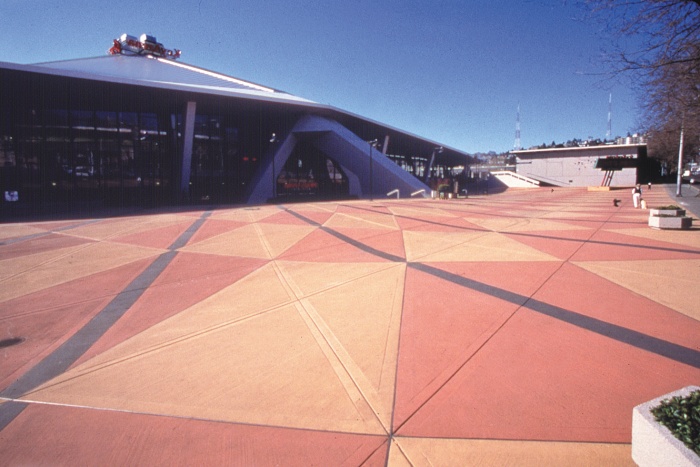
Selecting color
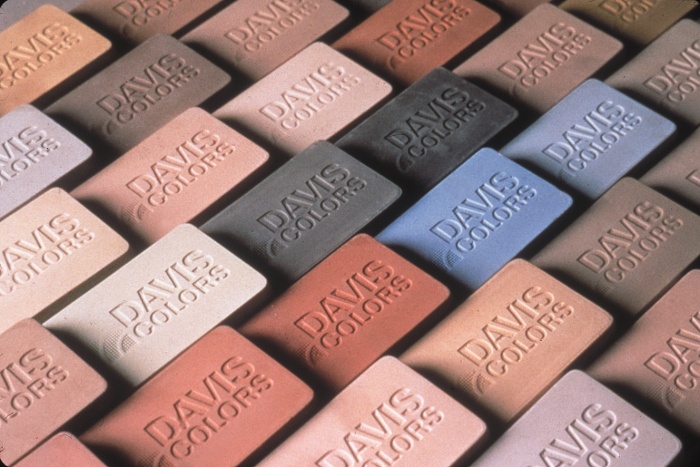
When you’re selecting a color, “Color charts can only serve as a guideline. Color samples are a more accurate representation of how the color will look in the concrete,” says Bob Harris, director of product training at L.M. Scofield. “Whenever possible, do a mock-up—especially if color is critical. Test panels, made by using the exact pigment, cement, sand, aggregate and water, will show you the color of the final product.
Mark Bridges, vice president of sales at New Riverside Ochre Company Inc., says “Years ago the complaint was that you got what you dug up [with natural pigments], so every lot and producer’s colors were different.” But he reports the standards adopted by natural pigment producers are the same as those used by the synthetic producers.
And how do colors hold up in concrete? Natural and synthetic pigments using iron oxides are lightfast and UV stable. Chromiums and ultramarine blues are not always lightfast or color stable, it varies with the chemistry of the product. Carbon black, a very inexpensive way to get black, is not stable. (While carbon black does not lose its color, it can leach out of concrete and appear to fade if not protected from water penetration.)
The rest of the ingredients
The most important aspect of integrally colored concrete is consistency. The mix and the conditions need to be as close to the same for every pour. “It’s like baking a cake,” explains Doug Hoffman, a manager of sales and marketing at Nevada Cement Co., “If you alter the recipe you get different cakes. Consistency of color is based on the consistency of the mix.”
The color of the cement used in the concrete can alter the color. Using lighter colored cement allows you to achieve a brighter, truer color, especially when looking for light and pastel colors. “Gray cements will allow you to get good colors, too, but you might need to use more pigment. If you want a dark colored concrete, a dark gray cement might help you,” Hoffman says.
When you’re coloring concrete, you’re coloring the cement, not the sand and not the aggregate. Since the cement encapsulates the sand and aggregate, unless you have an exposed finish, the color of the sand and aggregate used doesn’t affect the color of the concrete very much, but they can add some subtle tones.
To maintain consistency of several batches of the same color, it is important the ready-mix supplier use the same ingredients every time. The same cement, sand, aggregate and filler—all from the same source.
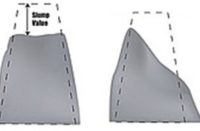
The water-to-cement ratio is also extremely important, especially if you’re mixing several batches of the same color of integrally colored concrete. Different amounts of water will change the color intensity. The best rule of thumb is to use the lowest water-to-cement ratio that’s workable. Hoffman recommends a 3-inch to 4-inch slump.
One ingredient you should never use with integrally colored concrete is calcium chloride. Because it hydrates cement at different rates in different parts of the pour, it will cause discoloration and blotching.
Getting off to a good start
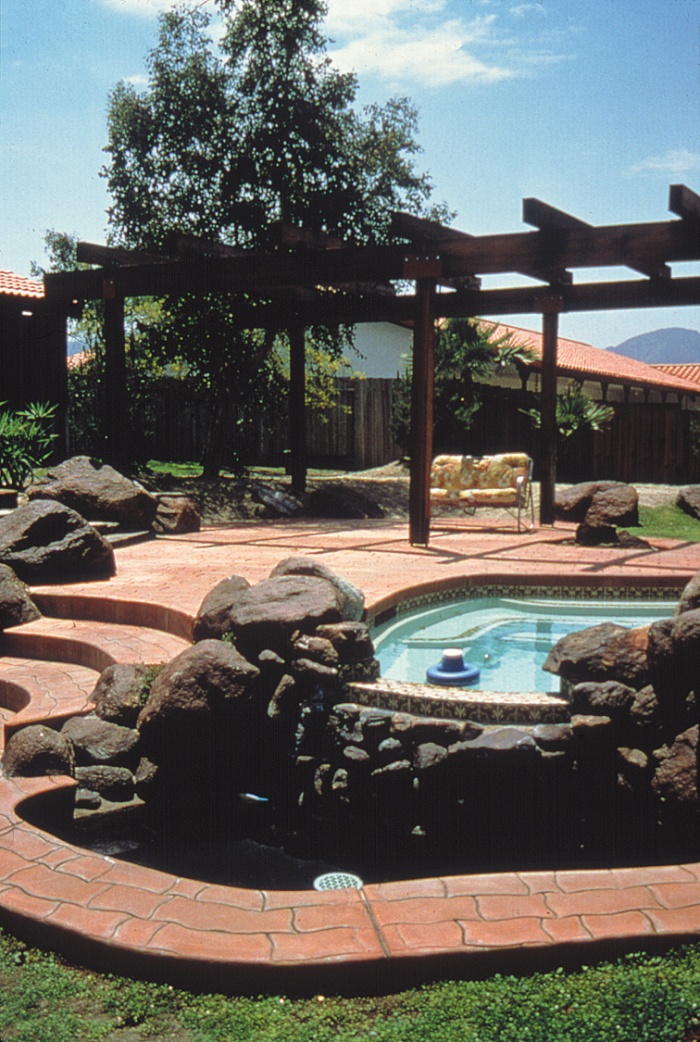 Improvements in the handling and adding of pigments to the mix make them easier to use than ever before. Dry and liquid pigments, some blended with set controlling and water reducing admixtures, are available. Some pigments come in special bags, which disintegrate during the mixing process. No matter which product you use, start with a clean mixer drum before batching and make sure you get good color dispersion as you combine ingredients in your mix. If you desire strong colorse, use more pigment, but color addition should not exceed 10 percent of the cement content.
Subgrade preparation is also important, says Steve Johnson, director of ready mix marketing and technical services at Solomon Colors. “You want a well-drained sub-base, especially in areas with a lot of clay that don’t drain well because water can migrate up and cause excessive bleed water.” Bleed water can fade the color in integrally colored concrete.
Pay attention to the weather, temperature and other job site conditions, Johnson advises, especially if you have several pours. Make each pour under as close to the same conditions as possible to ensure consistency in color. Once you alter the color, it’s permanent.
Great expectations
Virtually every problem with integrally colored concrete—water entrapment, trowel burning, mottling, and other things—would also occur in non-colored concrete installed in the same manner, observes Maycock, but “as soon as you add color, people’s expectations are greater. The bar is raised and everyone wants perfection.” Doing the job right the first time is even more critical if you consider that integrally colored concrete is difficult to repair and match at a later date.
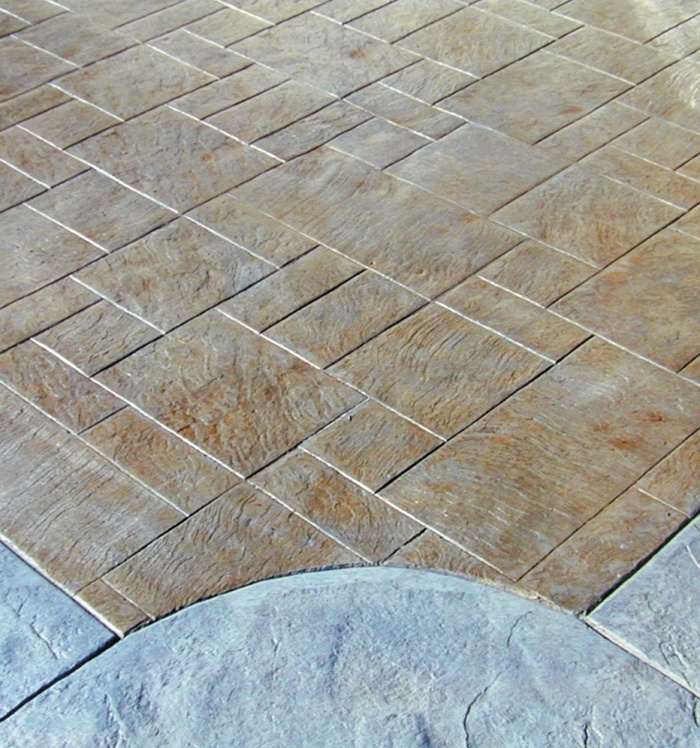
According to Paris, “Achieving the color of the mind’s eye is the toughest problem we face. Often the client has an impression of what the color will be, but the concrete may not realize it. Living up to expectations is difficult.”
It’s catching on
Adding color increases the price over non-colored concrete, but it’s less expensive when factoring in labor costs over other coloring methods. “Integral color is considered a natural product,” says Maycock. “Its natural characteristics and inconsistencies are its beauty.” That is another reason it’s being used more. Integrally colored concrete allows structures and hardscapes in the landscaping to blend with the environment.
Hoover observes, as you travel around the country, you see different colors used. “The colors used in Virginia are completely different in other parts of the country. Slate colors are used more in areas where natural slate is common. Designers look at the natural environment and select coloring agents that match or compliment the natural environment and existing structures.” In the southwest, you’ll tend to see colors that match adobe; in New York, brownstone. It’s important to know that most manufacturers offer custom color services.
The colors selected may also be based on climate. Darker colored concrete absorbs more solar radiation, something that’s not as advantageous in northern climates. In the south, using lighter colors as solar reflectors keeps heat from building up.
“There’s a perception that colored concrete is not good in freeze-thaw climates, or that it has to be protected,” says Paris, “but there’s no difference, as long as the concrete has sufficient air entrained.”
“Coloring concrete is more an art than anything else,” observes Hoffman, “You need to know what the client wants and how to achieve it.”
The most common advice from experts is to develop a relationship with your ready-mix provider or distributor and the NRMCA. From designing new color mixes to ensuring the product arrives on your job site consistently, every time, your distributor and ready-mix provider are your best friends. They can help you color the world with integrally colored concrete.
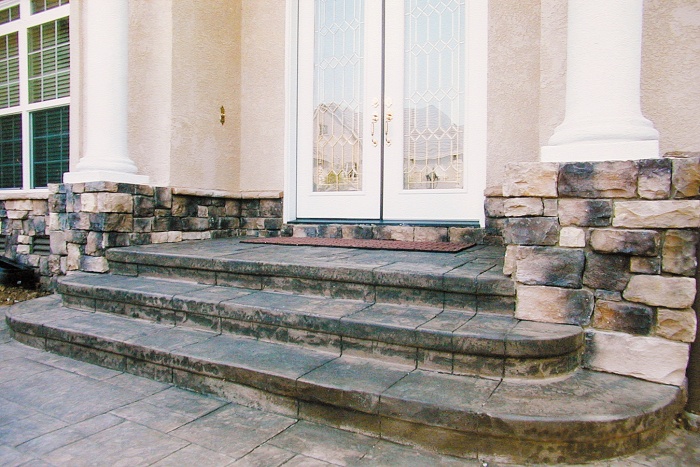
For additional information and resources concerning application, techniques and specifications please reference these professional trade organizations.
ACI – American Concrete Institute
NRMCA – National Ready Mix Contractors Assoc.
PCA – Portland Cement Association.
ASCC/ DCC – American Society of Concrete Contractors/Decorative Concrete Council