



A Practical Guide to Coating System Selection
In concrete design and construction, few topics generate more confusion than sealers and resinous coatings. These systems are often treated as interchangeable, reduced to brand names or gloss levels, or applied as a last-minute decision once the concrete is already in place. In reality, coatings are not accessories. They are functional components of a larger system, and when misunderstood, they are frequently blamed for failures they did not cause.
As explored in earlier discussions on aggregates, bonding, and moisture, concrete performance is dictated by what happens beneath the surface long before any protective layer is applied. Sealers and resinous coatings do not correct poor preparation, incompatible materials, or uncontrolled moisture. What they do offer is protection, enhancement, and longevity when specified with intent and installed under the right conditions.
Clarity begins with understanding what these systems actually do.
What Sealers Really Do
At their core, sealers exist to manage interaction between concrete and its environment. They reduce absorption, slow down wear, and protect surfaces from staining, chemicals, and abrasion. What they do not do is compensate for weak substrates, poor bonding, or internal moisture movement.
A common misconception is that a sealer failure is a coating failure. More often, it is a system failure that originates in surface preparation, moisture conditions, or incompatible materials below the coating. Sealers respond to the condition of the concrete they are applied to. They do not override it.
Understanding this distinction is critical for anyone responsible for specifying performance.
Understanding the Coating Spectrum
Not all sealers are created equal, and none should be treated as universal solutions. Each category serves a distinct purpose.
Penetrating Sealers
Penetrating sealers work within the concrete rather than on top of it. Silanes, siloxanes, and densifiers migrate into the pore structure and chemically react within the cement matrix. Their primary function is to reduce permeability, increase surface density, and slow moisture and contaminant intrusion.
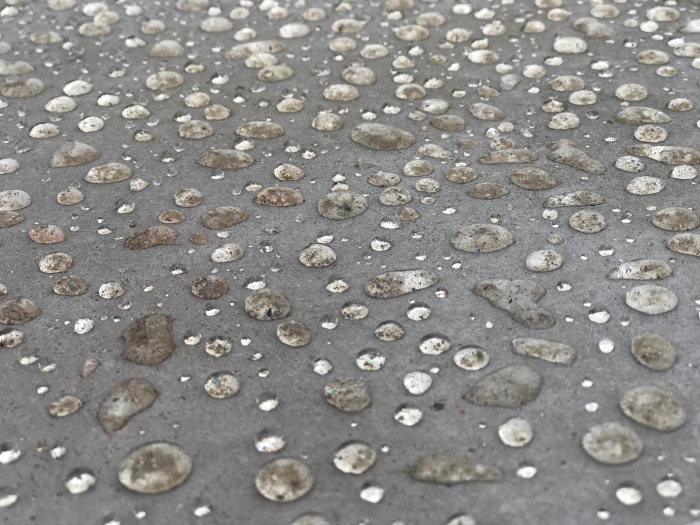
These systems preserve the natural appearance of concrete and are often used where slip resistance, breathability, and minimal visual change are desired. However, they provide limited protection against heavy chemical exposure and do not offer significant abrasion resistance.
Film-Forming Sealers
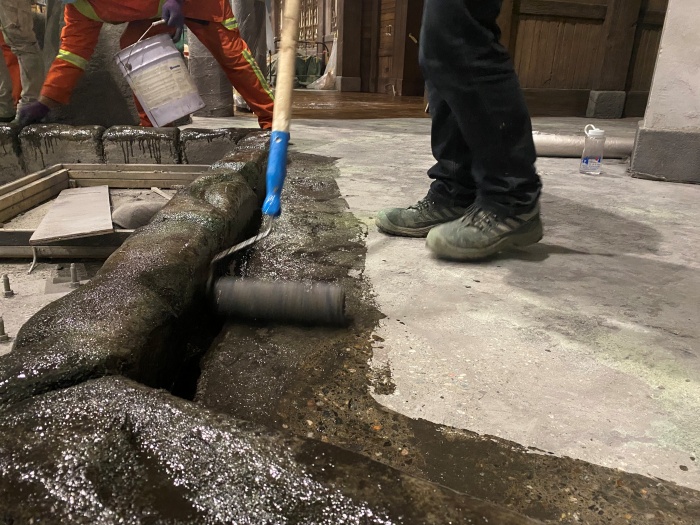
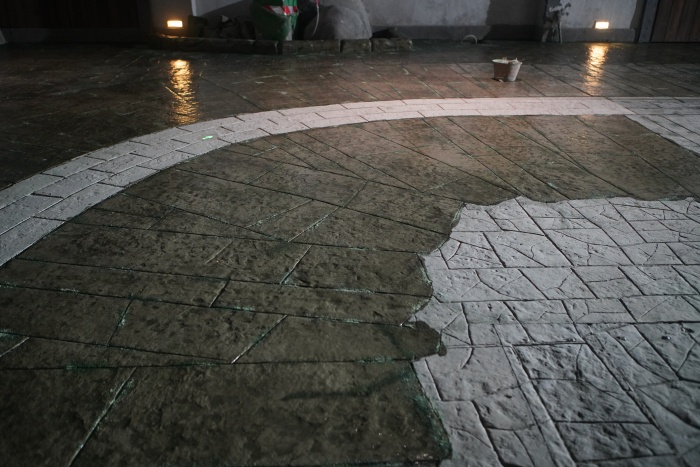
Film-forming sealers create a visible layer on the surface. Acrylics and certain urethanes fall into this category. These systems are often chosen for color enhancement, sheen control, and short-term protection.
While visually effective, they require regular maintenance and reapplication. Their performance is directly tied to surface preparation and environmental exposure. In exterior or high-traffic applications, lifecycle planning is essential to avoid premature wear.
 |
 |
Resinous Coating Systems
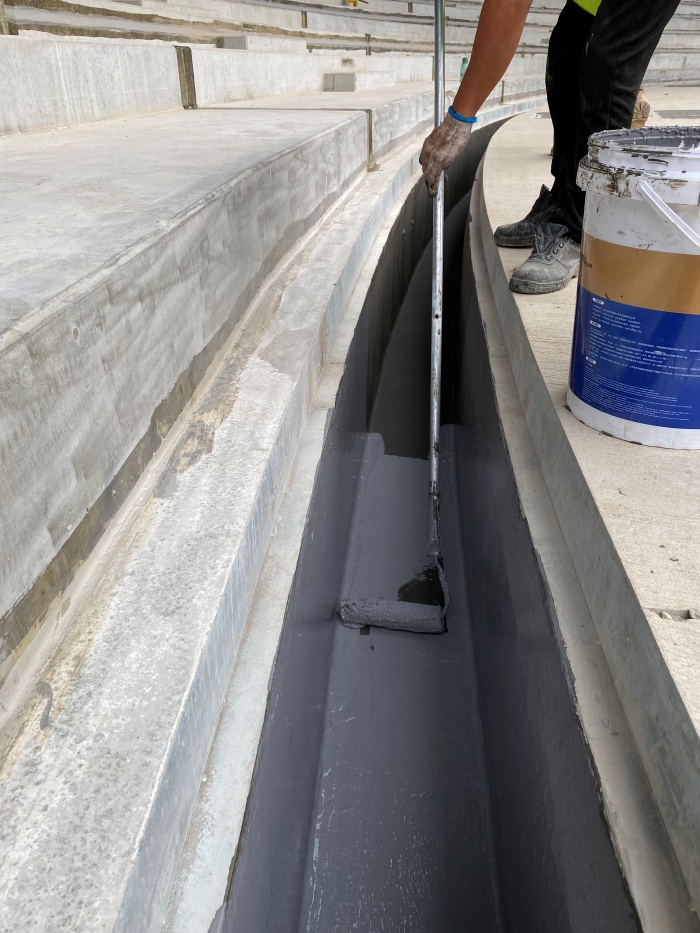
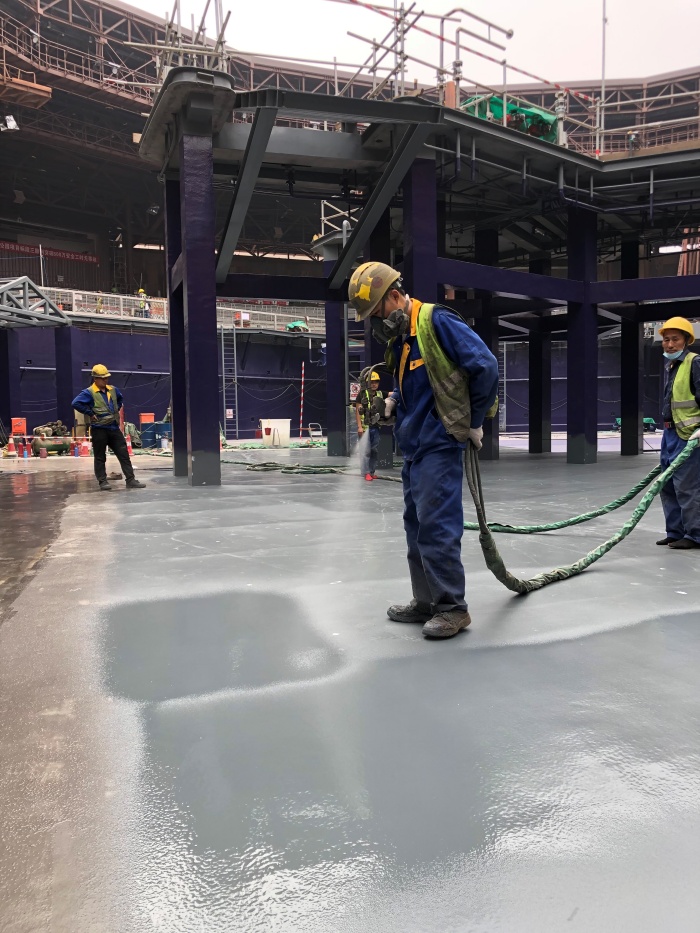
Resinous systems such as epoxies, polyurethanes, and polyaspartics provide the highest level of performance control. These coatings create thicker, engineered barriers that resist chemicals, abrasion, and impact.
They are not universally appropriate, but when correctly specified, they solve problems that traditional sealers cannot. Their success depends on substrate condition, moisture management, and compatibility with underlying materials. Resinous systems are most effective when viewed as part of a complete assembly rather than a standalone finish.
 |
 |
The Chemistry Behind the Coating
While sealers and resinous coatings are often discussed in terms of sheen or thickness, their true performance is rooted in chemistry. What a coating is made of determines how it cures, how it bonds, how it handles moisture, and how it will age over time. Understanding these distinctions is essential to making informed, durable choices.
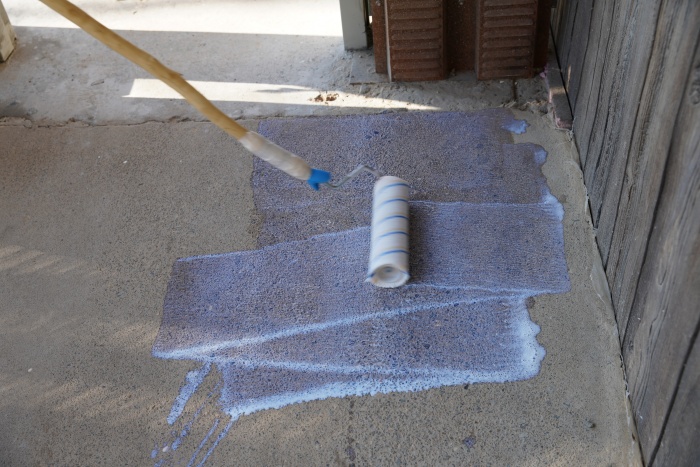
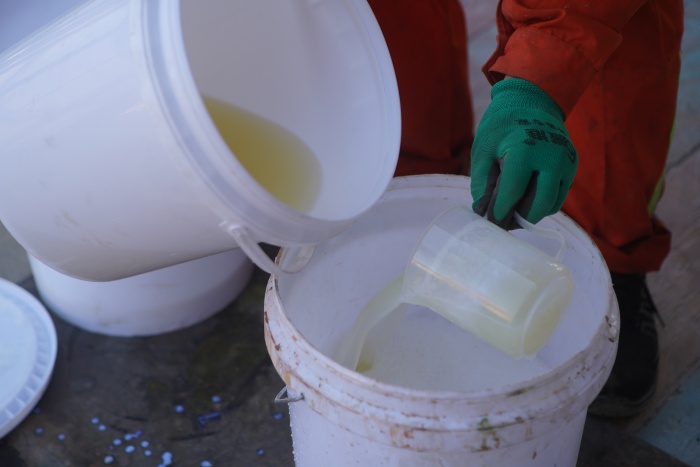
Water based systems, often characterized by their milky look, use water as the carrier for the resin or polymer. These coatings tend to have lower odor and reduced volatile organic compounds, making them well suited for interior spaces, renovations, and occupied environments. They are often more forgiving during application and allow greater vapor transmission, which can be beneficial on substrates where moisture movement is expected. However, water based systems typically offer lower film build and reduced chemical resistance compared to higher performance alternatives.
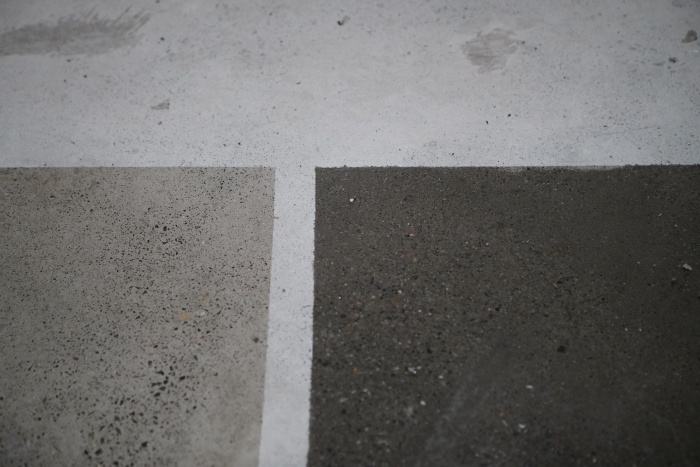
Solvent based systems rely on solvents to deliver the active components into the surface. In penetrating sealers, this can allow for deeper absorption and enhanced color development. These systems often provide strong initial bonding and durable protection, but they come with higher odor, increased VOC content, and greater environmental and regulatory considerations. Their use is best reserved for conditions where their specific performance advantages are required.
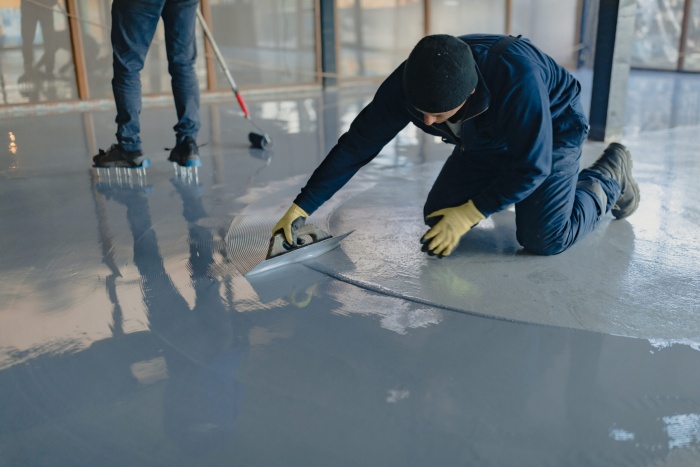
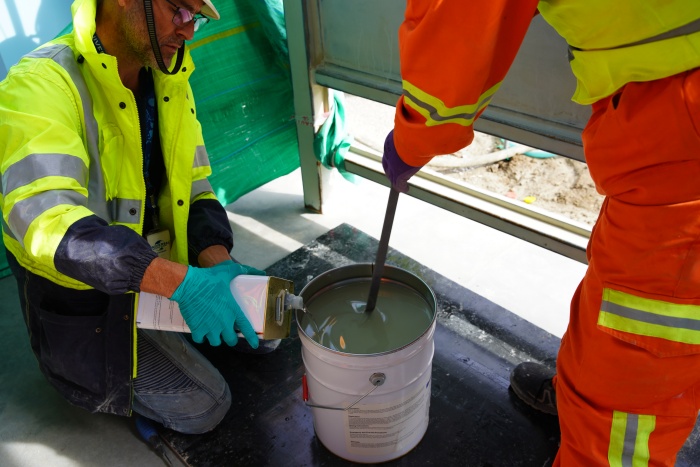
100% solids resinous systems contain no evaporating carrier at all. Instead of drying, they cure through a chemical reaction called catalysis, forming dense, high performance films. These systems are known for exceptional abrasion resistance, chemical durability, and long service life. Because they rely entirely on surface conditions for success, they demand precise surface preparation, moisture evaluation, and application control. When installed correctly, they offer some of the most robust protection available for demanding environments.
From a sustainability standpoint, chemistry matters as much as material origin. A lower impact coating that requires frequent replacement may carry a greater environmental cost over time than a more durable system installed once. Longevity, recoat intervals, VOC exposure, and lifecycle performance all factor into responsible selection. Choosing the right chemistry is not about defaulting to the newest or the strongest option, but about matching the system to the substrate, the environment, and the long term expectations of the space.
In the end, clarity around coating chemistry transforms selection from guesswork into strategy, aligning performance, compatibility, and sustainability into a single, informed decision.
Timing and Testing: Where Most Failures Begin
Coating failures are rarely caused by the product itself. They are caused by timing.
Applying coatings before concrete has properly cured, before moisture conditions are understood, or before surface preparation is complete creates risk that no product can eliminate. Testing for moisture, alkalinity, and surface integrity is not optional. It is foundational.
Coatings must be scheduled based on slab condition, not construction pressure. When installation timing aligns with material behavior, performance follows.
Compatibility Above All Else
Every coating interacts with aggregates, surface profile, primers, and bond layers beneath it. Breathability, vapor resistance, and adhesion must be evaluated together. A coating that performs exceptionally in one system may fail in another if compatibility is overlooked.
This is where the earlier lessons on bonding and moisture become critical. Coatings do not exist in isolation. They are the final layer in a sequence of decisions that either work together or undermine one another.
Resinous Systems as Modern Problem Solvers
Resinous coatings are often viewed as heavy-handed solutions, but in reality, they exist because modern concrete faces modern challenges. Chemical exposure, aggressive cleaning protocols, high traffic, and aesthetic expectations demand more than surface-level protection.
When specified thoughtfully, resinous systems extend service life, reduce maintenance cycles, and provide predictable performance. When overused or misapplied, they introduce unnecessary complexity. The difference lies in selection logic, not material quality.
Effective coating selection starts with performance requirements, not appearance. Exposure conditions, maintenance expectations, environmental factors, and substrate behavior should guide decisions before aesthetic goals are layered in.
Early collaboration between designers, material specialists, and contractors reduces risk and aligns intent with execution. The most successful systems are those designed holistically from the start.
The Informed Path Forward
Sealers and resinous coatings are not finishing touches. They are protective systems that rely on everything beneath them. Understanding concrete and its chemical makeup, bonding, moisture movement, and surface preparation transforms coating selection from guesswork into strategy.
Clarity comes from education, testing, and restraint. When coatings are specified with purpose, they enhance durability rather than mask problems.
Final Thought
Protection is only as strong as the system it completes. Sealers and resinous coatings reward those who understand concrete as a living material shaped by time, environment, and design. When selected wisely, they become quiet partners in longevity, ensuring that concrete surfaces perform as beautifully as they appear.


