


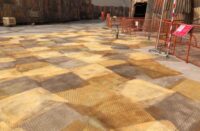

Why Bonding is the Invisible Force Behind Every Repair
In decorative and architectural concrete, what stands out is the surface. People see the finish, they see the color, the sheen, or the texture. However, what they often miss is the invisible force that lies beneath, holding everything together. That force is bonding.
Every repair or overlay, whether structural or aesthetic, resinous or cementitious, depends on one thing above all: the quality and reliability of its bond to the existing substrate. Get it right, and the system feels integrated and strong. Get it wrong, and even the most carefully designed installations will peel, delaminate, or fail long before their time.
The Science of Bonding
Concrete is naturally porous, irregular, and always changing. Successful bonding systems build their foundation upon two core principles: mechanical grip and chemical adhesion. In other words, the surface must be mechanically profiled, so the new layer can lock in. And, it must be chemically compatible, so the bond can hold under stress and real-world conditions.
While simple in nature, what really makes this tricky is that every substrate has hidden variables. Moisture moves up through capillaries, creating issues and bringing salts to the surface. Contaminants, dirt, and oils hide within the porosity of the top layer. Strength and stability of the cement and fine aggregates themselves, as well as alkalinity that migrates to the surface, can interfere with coatings and adhesives. While none of these issues are visible at first glance, all of them can quietly and devastatingly compromise the integrity of a repair or finished surface if they are not addressed properly.
Surface Preparation: The Universal Foundation
Surface preparation is the first and most important step in every resurfacing or overlay system. The steps for proper surface preparation are universal across every project, even though the system and final finish might be quite different.
Examination and Testing
The process begins with a thorough study of the substrate, including its porosity, profile, and pH. The goal is to determine the visible and hidden potential failure points. This investigation can begin with answering a few simple questions, such as:
- Does a drop of water upon the surface easily penetrate, or will it puddle and remain on the surface before drawing inside?
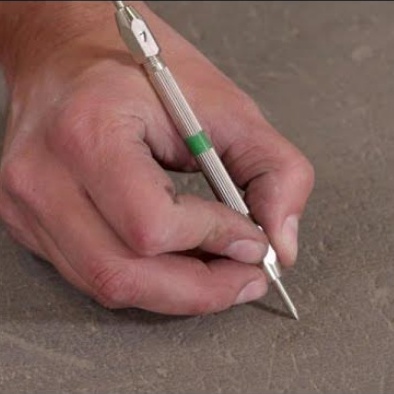
- When gouged with a key, does the surface easily mar and appear to be soft?
- Does the surface show visible cracks that are wider than a credit card and travel across the surface from edge to edge?
- Is the substrate stained and discolored, including locations contaminated by chemicals and oils or remnants of a sealer or coatings?
- Does the surface elevation appear to be inconsistent with peaks and valleys, giving evidence of settlement and heaving?
- Are there visible differences between concrete panels and a hodgepodge of densities or profile textures?
 |
 |
These questions will aid in determining the requirements for chemical and mechanical preparation, as well as the needs for crack repair and joint isolation.
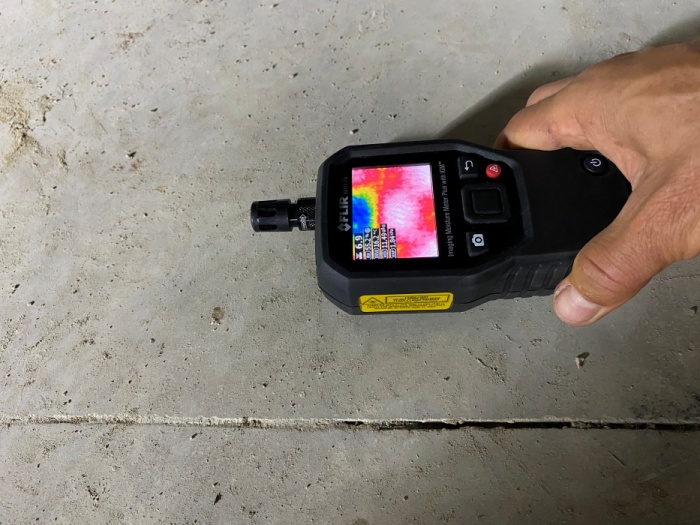
After a visible inspection, it is time to shift attention to investigating the hidden unknowns. A quick test for surface alkalinity and a qualitative test of relative humidity can easily identify the presence of moisture inside the substrate. A substrate with a high pH and excessive relative humidity is a good candidate for a moisture mitigation system, which usually requires a more serious testing protocol before implementation.
Remember, hidden moisture that is not mitigated properly is an enemy to surface repairs because it has the potential to attack the bond line and weaken the adhesion between the substrate and engineered materials. The ongoing movement of moisture throughout the substrate is the delivery mechanism for carrying contamination to the surface. Contamination in the form of oils and salts can attack cement paste, weaken polymers, degrade reinforcement, and expand certain aggregates, which leads to failures sometimes years after the project is complete.
Beyond the structural integrity of the slab itself and the internal movement of moisture, preparation also includes the investigation of jobsite conditions and the environment in which the repairs will be performed. Access points, sequencing strategy, safety protocols, weather precautions, and overall logistics of equipment and materials must be considered early, ensuring that every part of the installation can be executed with precision.
Cleaning and Conditioning
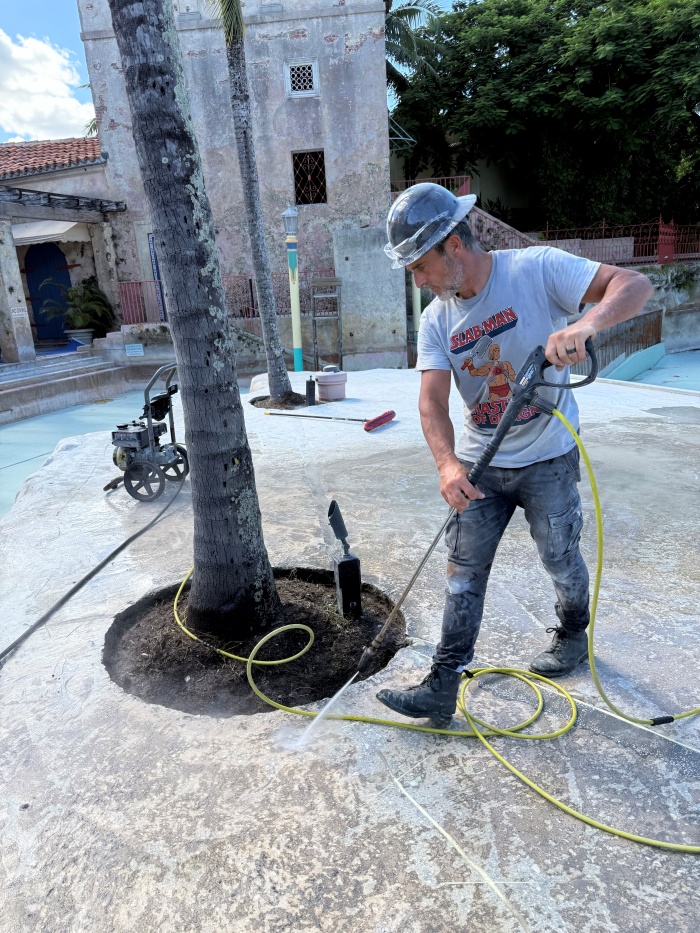
Cleaning and conditioning refers to the process of preparing the substrate with a consistent profile and uniform porosity. Concrete is hygroscopic and acts like a sponge, which aids in adhesion, but conversely this porosity can provide an unwanted home for contaminants such as water, oils, dust, salts, and plastics. Proper surface conditioning includes removing soft and deleterious materials from the substrate while at the same time leaving a consistent profile that is free from hidden contamination.
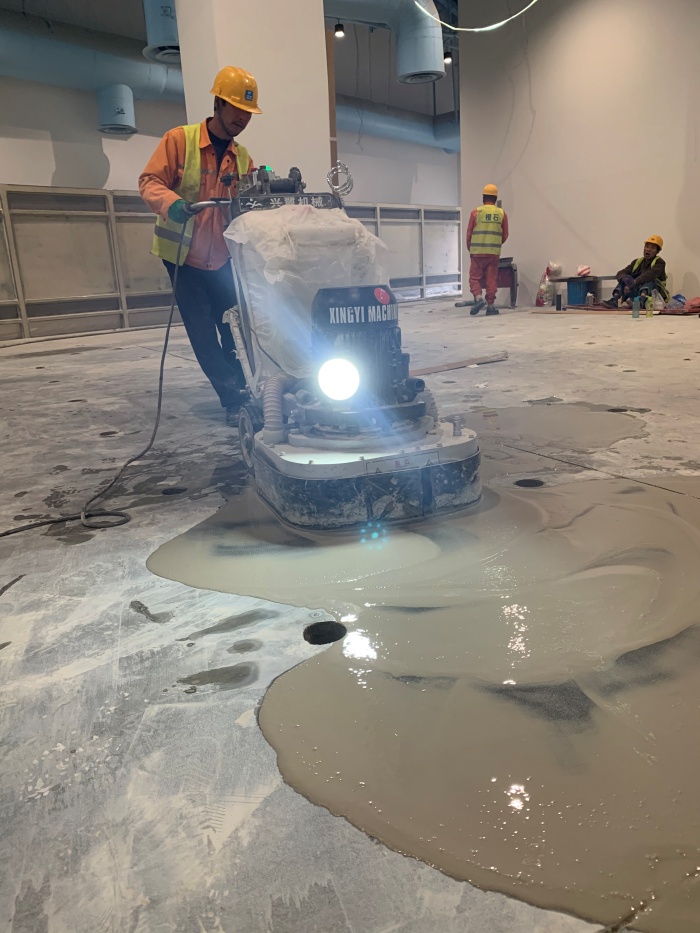
A combination of chemical treatments and mechanical sanding, grinding, blasting, and scarifying will sufficiently prepare most substrates. The level of profile and the exact processes vary from project to project, depending on a wide range of factors, but it is the right level of profile that provides the anchor. Too smooth and the system will shear away. Too rough and the overlay may fail to distribute properly and trap unwanted air pockets. Industry standards like ICRI CSP profile ratings provide benchmarks for matching texture to system type.
As Matthew Casto says, “A cleaned and conditioned surface is about consistency; consistent profile and uniform porosity. Without it, no overlay or repair can stand the test of time.”
|
|
|

Crack Repair and Joint Isolation
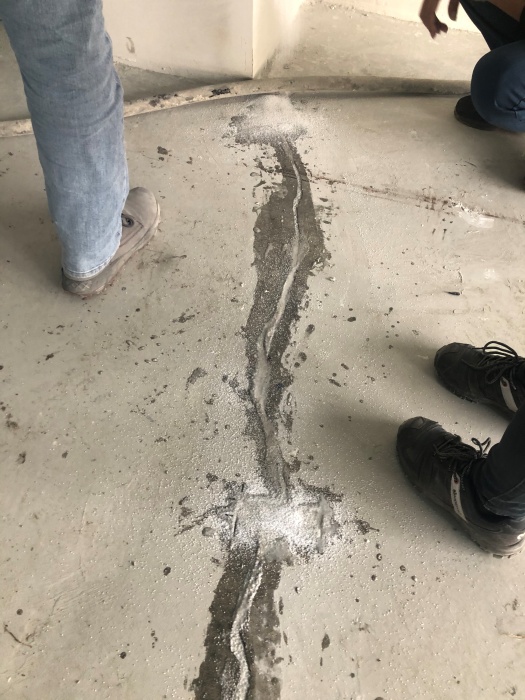
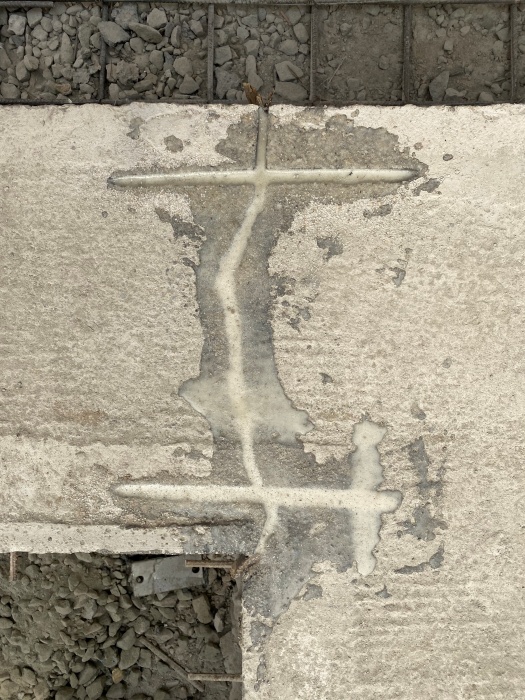
Anyone who has studied concrete repair understands that all cracks are not created equal. Distilling the complexities of cracks into two categories, dynamic and static, aids in the process and determines the methodology of treatment. Dynamic cracks demand treatments that maintain flexibility or promote applications that utilize aggressive stitching reinforcement to restore integrity. Static cracks are more superficial and can be filled with semi-rigid materials and covered judiciously.
Ultimately, all isolation and expansion joints must be respected and maintained, as they were intentionally placed in the substrate to accommodate movement, relieve stress, and prevent random cracking. Ignoring or covering these joints can transfer forces into the overlay, leading to premature failure.
As Casto says, “Proper crack preparation means recognizing which cracks can be suppressed and which joints must remain active, ensuring the system works with the concrete rather than against it.”
|
|
|
Moisture: The Double Agent
As previously stated, moisture is a major enemy to a system’s longevity:
In theory, the elimination of moisture removes the ongoing migration of contaminants that destroy concrete and attack the foundation of repairs.
But in reality, the elimination of moisture can be difficult and sometimes next to impossible, especially in exterior applications that are subject to continual maintenance and exposed to environmental elements such as snow and rainfall.
However, in practice, controlling moisture is less about eliminating water sources and more about guiding water away from the concrete and moving it quickly from the surface. New construction that is properly designed provides a subgrade course that encourages water to move beneath the concrete and evacuate away speedily. Additionally, all new concrete finishes should include flexible caulk treatments to the joints and water-repellent sealers that allow surface water to move to the drains and off the surface without delay.
For added protection, preformed vapor barrier membranes can be installed beneath the surface to stop vapor transfer and in cases where concrete is elevated, positive-side moisture can be managed with a waterproofing membrane system.

Surface-applied moisture mitigation systems are intended for substrates where drainage precautions and soil preparation were not implemented, or surfaces where moisture vapor levels coming from below grade are high and control of the surface water is not possible or unmanageable. Options vary and are quite diverse, but they all serve the same goal: to reduce the movement of moisture and the contamination it carries, while simultaneously lowering the vapor drive that occurs naturally when moisture seeks balance through osmosis.
The most basic solution for negative-side moisture movement is the application of liquid densifiers, also known as surface hardeners. These materials work within the internal matrix of the concrete to create insoluble crystalline structures that reduce porosity and tie up the movement of molecules. Concrete densifying materials do not completely suppress moisture vapor, but they significantly reduce the transfer of alkalinity and lower the impact that moisture movement has upon repair systems.
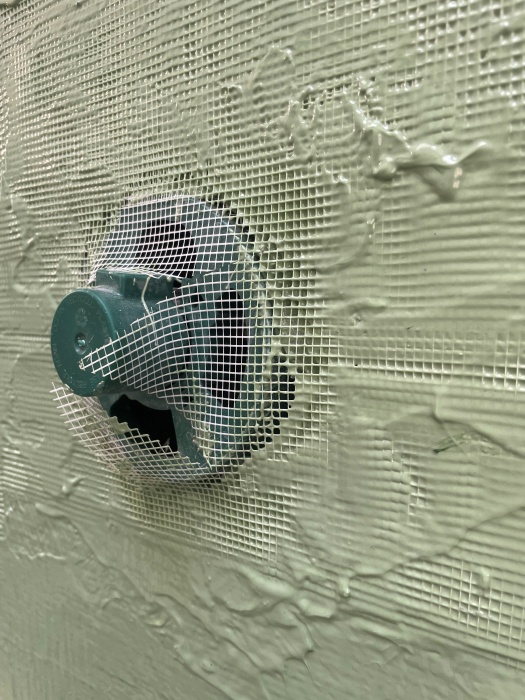
Another important category of moisture barrier treatments is the application of resin-modified cement slurries and mortars. For example, the application of a water-based epoxy cement slurry not only provides protection against alkalinity attack at the bond line but also offers increased mechanical adhesion when repairing dense surfaces such as machine-troweled concrete, precast pavers, impervious tiles, and terrazzo. Likewise, urethane cement mortars offer aggressive protection from moisture attack and provide solutions in high-impact and abrasive environments, such as in industrial manufacturing or warehousing.
A third important category of moisture treatment is designed primarily for repair applications that are resinous in nature. Classified as liquid-applied systems, these treatments are characterized by the use of 100% solid resinous products. They provide effective moisture vapor control at various levels depending on the depth of penetration and the thickness of application. These resinous systems can also be utilized with cement-based repair materials when a bonding layer of dry aggregate is incorporated into the process, sometimes referred to as a “broadcast sand carpet.”
|
|
|
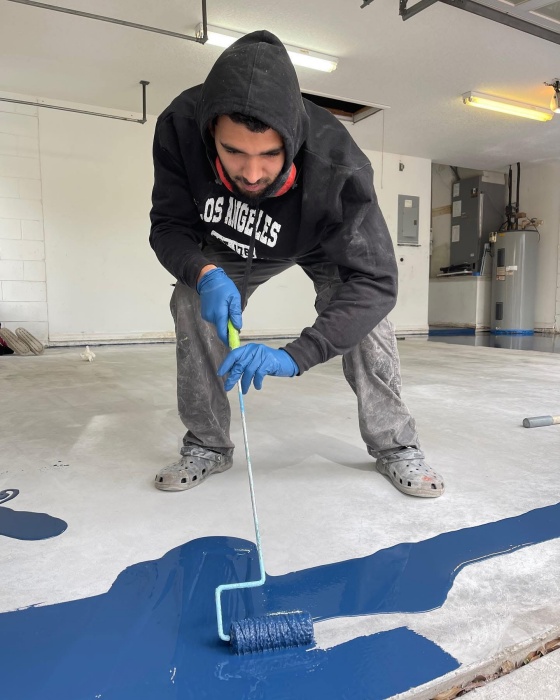
When asked about the subject, Casto shared some insight:
“The moisture mitigation system is designed for both the substrate conditions and the final aesthetic finish system. It must meet performance requirements and accommodate the conditions of the project, but it should also consider factors such as material cost, schedule, compatibility with the repair materials, and contractor experience. There is no magical unicorn in moisture control.”
Bonding Allies: Primers and Bond Coats
Primers and bond coats are the middlemen between old and new. They regulate absorption, promote adhesion, and in many cases serve as a protective barrier that strengthens the connection between substrate and system. Without them, even a properly profiled surface may not achieve the chemical or mechanical grip needed for long-term success.
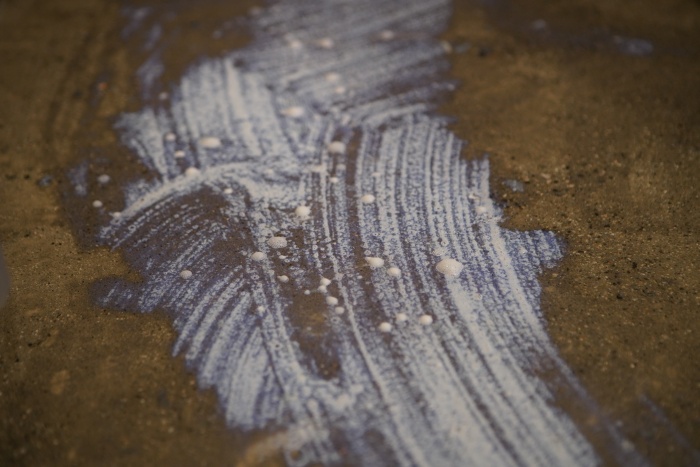
The right primer or bond coat depends on the system being installed, but the principles remain the same. Cementitious slurries help control absorption and unify the bond line for overlays. Epoxy primers are often used to seal pores and provide a dense, reliable interface for resinous flooring. Polymer-modified coatings offer flexibility and improve adhesion where substrates may have more movement or variable porosity. In thicker build applications, primers create a stable base that prevents laitance, dust, and trapped air within the pores from weakening the bond line.

In every case, primers and bond coats are more than just “extra steps.” They are safeguards that ensure compatibility, protect against early failure, and lock the system into place. Skipping or misapplying them can undermine even the most carefully prepared substrate.
The most basic primer is water, expelling air within the substrate while cooling and lubricating the surface. The addition of a water-soluble polymer into the mixture adds protection against alkalinity, increases resistance to contamination, and improves adhesion.
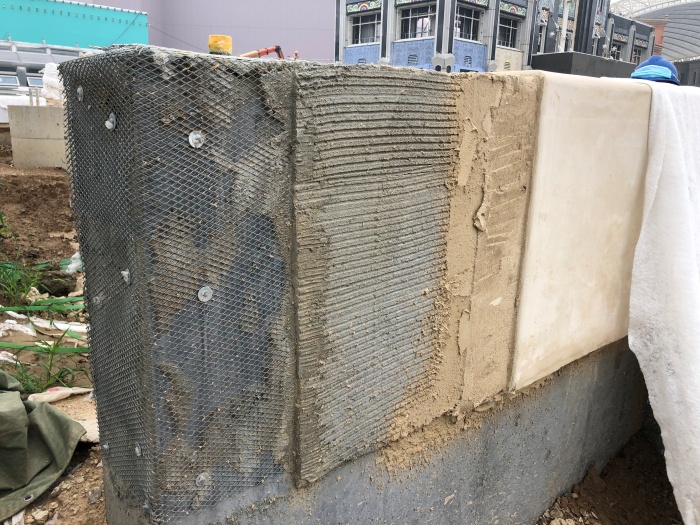
Add coarse aggregates and cement into this polymer-modified slurry, and now you have a primer that balances out surface porosity, increases mechanical adhesion, and evens out the substrate texture. Incorporating catalyzed resins with broad cast sand carpets, similar to liquid-applied moisture barrier systems, creates a useful primer and bond coat.
The meaning of the word primer is literally “first,” which emphasizes the importance of ensuring the best chemical and mechanical properties are established at the start.
Systems That Fail vs Systems That Hold
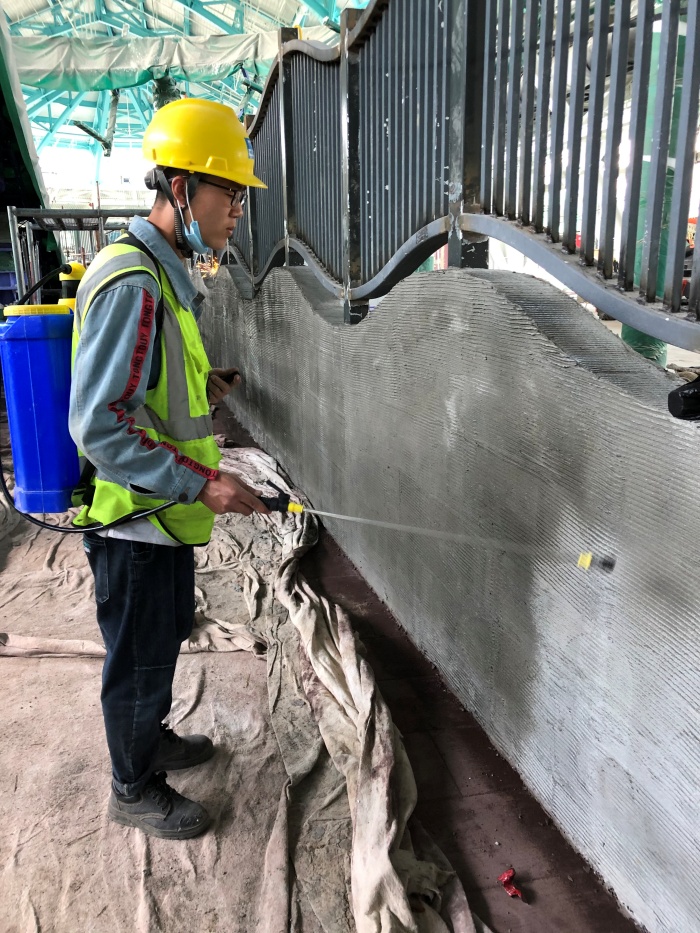
Repair system failures almost always happen at the bond line. Skipping prep, applying a primer incorrectly, or ignoring moisture will undo even the most well-designed surfaces. By contrast, projects that succeed follow a systematized approach:
- They begin with a thorough evaluation of the substrate.
- They address cracks and potential moisture movement.
- They clean and profile the surface to create the right texture and porosity.
- They select and apply the proper primer to secure adhesion.
- They respect and manage the conditions of the site, ensuring the system is installed in harmony with its environment and within the capacity of the skilled craftsman.
The Informed Path Forward
The lesson is simple. Bonding is not a background variable. It is the foundation of long-term performance. Success depends on respecting every step of preparation. Test for durability and moisture before committing to materials. Clean and profile surfaces with precision. Choose primers that match both the substrate and the system above it. Think long-term, not short-term.
Bonding may be invisible when the work is complete, but it is the single most important factor in whether a repair lasts for decades or fails within months.
Final Thought
No matter the finish, every surface tells a story. Resinous floors shine, cementitious overlays bring texture, terrazzo delivers elegance. Yet beneath them all, the true test of durability is the bond. Without it, even the most carefully designed surface is temporary. With it, repairs become permanent, resilient, and trustworthy, evidence that preparation and bonding are the quiet forces that give concrete its lasting legacy.


