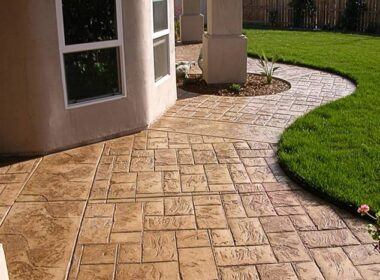
Question: How do I strip sealer from my stamped concrete patio? The installer used color hardener. Will I lose the color off the top when I strip?

The world's foremost resource on decorative concrete
Sealers are applied to concrete surfaces to protect them from the elements and extend their useful lifespans. There are two main types of sealers: film-forming varieties that enhance the surface with color and sheen, and penetrating sealers that go into the concrete’s pores and seemingly disappear.
Question: How do I strip sealer from my stamped concrete patio? The installer used color hardener. Will I lose the color off the top when I strip?
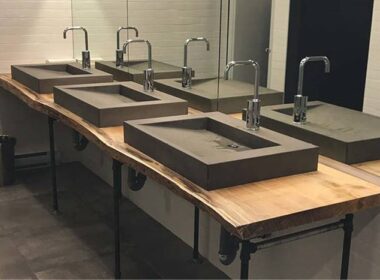
Do you know the single-most important ingredient in a concrete countertop that can make or break a business? If you thought concrete, think again. It might surprise you to know that it is actually countertop sealers. You can make the most beautiful concrete countertop in the world, but in the […]
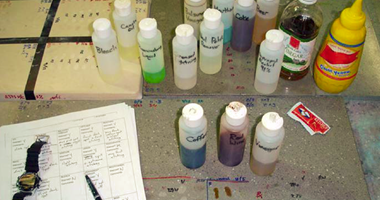
More demand means better ingredients — but are they really all that different from floor sealers?
The ideal concrete countertop sealer is a product that provides protection from stains, looks and feels like bare concrete and is safe to use.
Sealing concrete can be frustrating! Roller marks and their cousins, "lap lines," are just two of those frustrating problems that can plague professional decorative installers.

A very noticeable trend with decorative concrete over the last decade is that the end users and the design community have become much better educated, not only on the types of finishes and products available, but also on how they are installed and what to expect in terms of long-term performance.
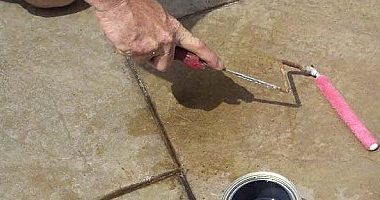
Question: I have a 5-year-old stamped concrete patio that has not been resealed since being installed. The sealer is cloudy in some areas and in other areas looks like there is no sealer at all. Do I need to reseal or is there something I can do to bring back the original look and luster of the sealer?
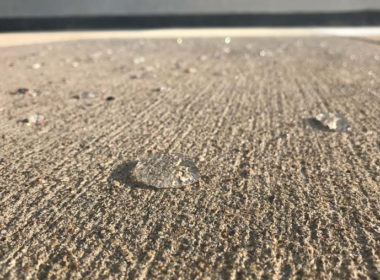
Across the country, there’s a trend afoot when it comes to what people are seeking for their outdoor projects. “They want a natural look that delivers penetrating protection,” says Chris Sullivan, decorative concrete specialist for the American Society of Concrete Contractors and the vice president of sales and marketing for ChemSystems Inc. based in Houston, Texas.
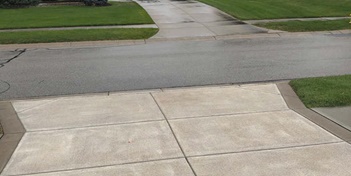
For years, Tyler Stephens, owner of Stephens Concrete Sealing in Indianapolis, used to use your typical film-forming sealer on his outdoor concrete projects. “It left a little sheen behind and had nice curb appeal, but it didn’t bead water the way penetrating sealers do,” he says.
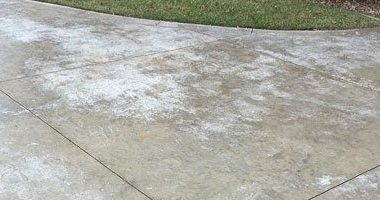
Resealing exterior stamped concrete, stained concrete or decorative concrete is probably the most misunderstood and least-studied process in our industry. It has the potential to be a repeat revenue stream or a headache that never really goes away.
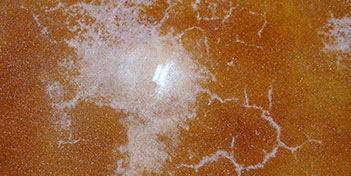
In my experience, sealer issues caused by cold weather don’t occur in the northern “cold climates” but rather in the more temperate or “shoulder” regions that have transition seasons. They also tend to happen in warm climates that may experience cold weather for only brief periods of time.


