Characteristics of concrete sealers vary depending on the specific formulation, but typically the following applies to these most commonly used concrete sealers:

The world's foremost resource on decorative concrete
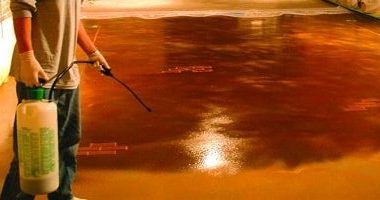
Sealers are applied to concrete surfaces to protect them from the elements and extend their useful lifespans. There are two main types of sealers: film-forming varieties that enhance the surface with color and sheen, and penetrating sealers that go into the concrete’s pores and seemingly disappear.
Characteristics of concrete sealers vary depending on the specific formulation, but typically the following applies to these most commonly used concrete sealers:
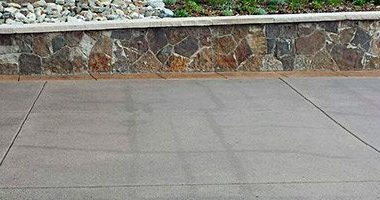
My contractor placed blue painter’s tape on the concrete for a few days to mark the placement of cabinetry. The tape was removed and the concrete was sealed with two coats of 25 percent solids acrylic sealer and two coats of acrylic finish. A few days later the concrete was discolored and had evidence of where the tape had been placed. No surface damage to the concrete was evident.
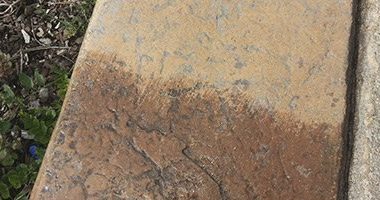
The decorative industry grew up on the “one size fits all” high-gloss sealer which was the go-to coating for decades. While high gloss is still widely used, low-gloss and natural finishes in the decorative concrete industry have been gaining momentum as homeowners, architects and designers seek more ecofriendly, green and natural-looking sealing options.

I firmly believe that the lifeblood of our industry is new and innovative products that continue to move the decorative market forward. A close second, the oxygen of our industry, is word-of-mouth advertising by satisfied clients who have had their expectations met.
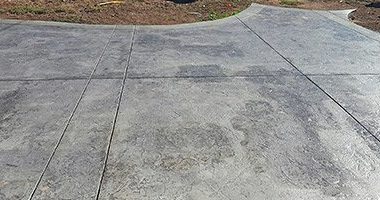
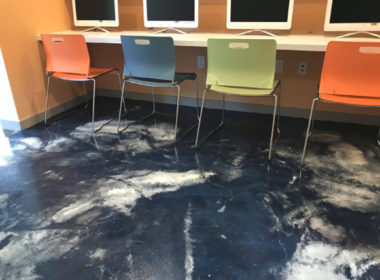
This issue of blotchy and inconsistent color and gloss created by a sealer is not that uncommon. There are multiple factors that can create this appearance, but the two most common are application — how the sealer was applied — and surface — what the sealer is being applied to in regard to density and porosity.
=
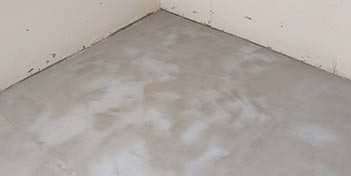
These questions came from a couple who were building a new home and wanted polished concrete floors. The main floor is slab on grade, while the second level is slab on an engineered raised subfloor. There were issues during the concrete finishing, which eliminated polishing as an option.
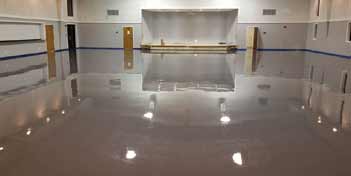
When it comes to concrete, it isn’t necessarily easy to define what a coating is. In its broadest sense it can be a general term for any chemical that’s applied to a surface to seal or protect it.
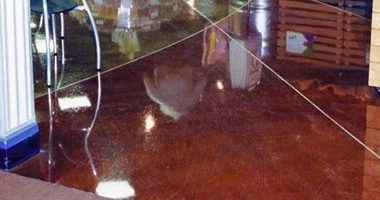
One of the challenges for a high quality architectural concrete installation is the selection of the right sealer. From chemical staining, discoloring, and the day-to-day abuses these surfaces receive, choosing a sealer can make or break the entire project. So, what do you need to look for in a sealer, and how do you match the right sealer to your type of project and environment?
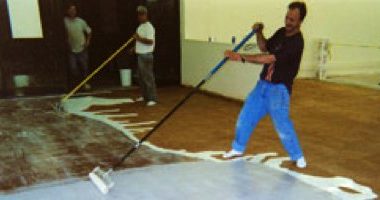
Choosing the right sealer is not always easy. Once you’ve made your choice, then it’s crucial to pick the right applicator.


