Latest

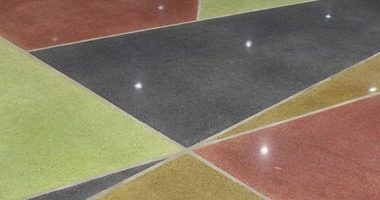
Polished concrete with different color dyes in a museum.

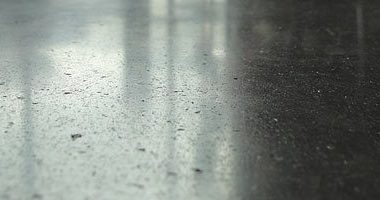
Automobile Museum in Auburn Replaces Waxed Floor with Polished System

Photos courtesy of Dancer Concrete Design In 2000, the museum installed a concrete floor sealed with a wax topcoat. “They were waxing the floor to maintain the shine which was expensive,” says Nick Dancer. “The wax was also soft so when they would bring in tables and chairs for events, […]

Gardco introduces the new Ultrasonic Pulse Echo

Gardco introduced a new tool, the Pundit PL-200PE. This new device employs state-of-the-art pulse echo technology to extend the ultrasonic application to objects where access is restricted to a single side, such as single-side determination of concrete slab thickness or detection and localization of voids, pipes, delaminations and honeycombing.

Common Ground Alliance’s 2014 DIRT Report confirms importance of calling 811 before digging

Common Ground Alliance (CGA) announced findings from its comprehensive 2014 Damage Information Reporting Tool (DIRT) Report, which confirmed again the importance of making a free call to 811 to reach a local one call center as the simplest and easiest way to reduce excavation-related damage to underground facilities. According to the report, when an excavator notifies a one call center before digging, damage can be avoided more than 99 percent of the time.

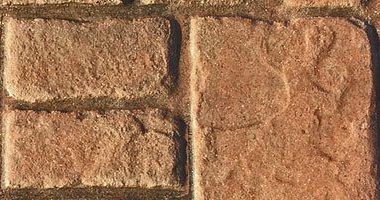
Watershed Materials develops geopolymer technology to turn natural clays into durable building products

Watershed Materials, a California-based building materials technology startup, has developed a solution to produce high-strength masonry with a low-carbon footprint using natural mineral-based geopolymers. The technology allows for natural clays found readily all over the planet to be turned into reliable masonry products, and offers a sustainable alternative to traditional concrete masonry. Recent test samples have achieved compressive strengths of 7,000 psi – twice the strength of ordinary concrete -and have demonstrated remarkable resistance to water and chemical erosion.