Latest

Using the Four P’s of Marketing to Sell Concrete

Marketing activities exist in multiple forms. In 1960, marketer E. Jerome McCarthy identified four distinctive types of marketing, often referred to as the “four P’s”: product, price, place and promotion. This marketing mix provides a standard framework for a decorative concrete professional to communicate and deliver lasting value to customers.

Using Sealers to Fight Freeze-Thaw in Concrete

Watch out for water, especially in climates where you get cold winters. Water is by far the biggest challenge you will face as a decorative concrete professional. Words like “spalling,” “flaking,” “pitting” or “chipping” are not what people making a living in concrete want to hear. and rarely do these words mean a satisfied customer a profitable month.

A “Cracked-earth” Concrete Mezzanine Overlooks the Rainforest Habitat

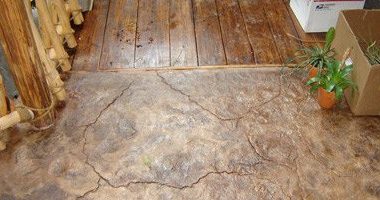
Surely you’ve heard the phrase “concrete jungle,” but what about concrete in the jungle? In this case, the jungle is the Rainforest Habitat at Discovery Place, in uptown Charlotte. The exhibit boasts wildlife ranging from birds and reptiles to vegetation such as palms and epiphytes.

Carving Art out of Concrete

David Seils’ master craft, wall relief sculpture, is an art form that dates back to ancient times, when civilizations carved designs into stone walls, buildings and columns. But instead of chiseling away material, the Asheville, N.C.-based Seils builds up his wall sculptures in layers using mortar, a mason’s hawk and a trowel.

Serendipitous Events Lead Contractor to Concrete Countertop Business

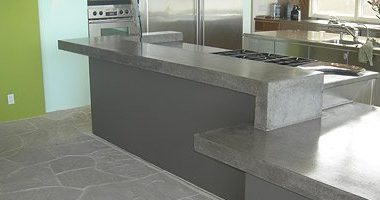
Two months before graduating from the University of North Carolina at Charlotte with a bachelor’s degree in architecture, Eric Boyd and two other students opened their own design-build firm. One of the first jobs they landed was a kitchen remodel where the client asked for concrete countertops, somewhat of a novelty back then.

A Concrete Spread at a High-end Central Charlotte Restaurant

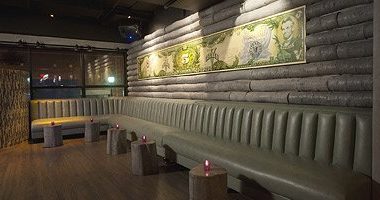
Inside, decorative concrete that resembles Venetian plaster is troweled on some walls while molded log tiles made out of glass-fiber reinforced concrete (GFRC) cover others. Huge columns shaped to look like intricately crafted wooden chair legs were designed with a CAD program, fashioned out of foam and chicken wire, and covered with troweled-on white concrete