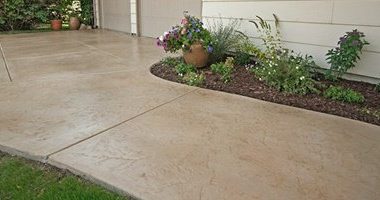
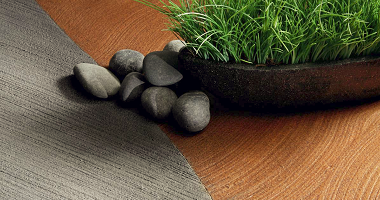
Broom finishes provide an economical alternative to the removal and replacement of existing concrete. This system creates a flexible and durable finish that can be used to re-level, renovate, resurface and create decorative patterns and designs, with or without integral coloring. When sealed, the new finish will resist gas, oils, water, salts, freeze-thaw cycles and ultraviolet rays.
Concrete Placing
Instead of pouring concrete, concrete installers place concrete where they want it to go. And there are right ways and wrong ways to do this.
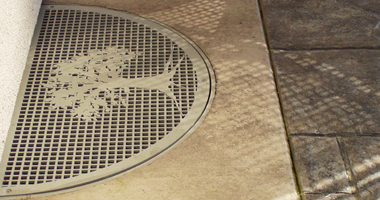
Designer Cast-iron Drain Covers from Iron Age Designs
Decorative grates made of cast iron look impressive. But too often, they’re also expensive, so they aren’t considered for any projects but those with the largest budgets. A company called Iron Age Designs hopes to change that. Iron Age grates are manufactured using cost-efficient Danish technology, so they can be […]
Examples of Snowmelt and Radiant Heat Concrete Applications
Here are a list of places where radiant heat and snowmelt systems can be most effective.
Understanding the Components of Polishing Newly Placed Concrete
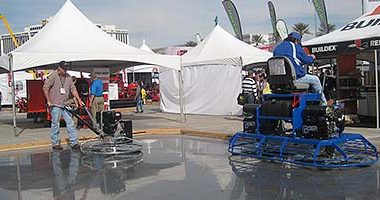
Today, most slabs are finished using mechanical trowels for the body of the slab and hand trowels for the edges. There are two basic types of mechanical trowels: walk-behinds and ride-ons.
How to Avoid Streaks When Using Colored Release Powder When Stamping Concrete
Colored release powder is a blend of pigments and hydrophobic (water-resistant) powders. Release powder’s primary purpose is to allow stamping tools to release cleanly from the concrete surface without sticking.
Seasoned Santa Cruz contractor claims three firsts in ASCC competition
Tom Ralston of Tom Ralston Concrete in Santa Cruz, California, returned home as the winningest recipient of the eighth annual Decorative Concrete Awards competition sponsored by the Decorative Concrete Council, a specialty council of the American Society of Concrete Contractors.
Dec-o-Vent from PolySteel Alternative Building Systems Inc.
It’s a classic dilemma. The more beautiful the outdoor decorative concrete, the more those ugly drain and vent holes stand out. A half-circle of corrugated pipe poking into a carefully crafted design can thwart the best artistic intentions
Things to Know About Alkali-Silica Reaction
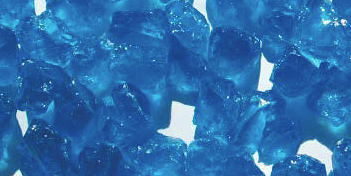
One of the glitches of combining glass aggregate with portland cement is that the combination may trigger alkali-silica reaction (ASR).
How Much Color Should I Use in My Concrete?
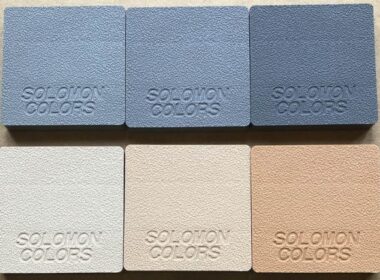
Integral colors are calculated by loadings based on total cementitious materials used per yard of concrete. Common loadings are 1 percent, 2 percent, 3 percent and 4 percent.
Maintaining Color Consistency in Large Decorative Pours
Have you ever gotten that early-morning or late-night call from an unhappy owner telling you that the color is lighter than they wanted … or darker … or does not match from one pour to the next? If you haven’t been on the receiving end of one of those calls, good for you! If you have, then you know what we are talking about.