A seasoned concrete contractor offers a step-by-step guide for success with decorative concrete steps.
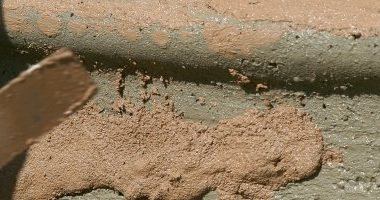

The world's foremost resource on decorative concrete
A seasoned concrete contractor offers a step-by-step guide for success with decorative concrete steps.

How long should you guarantee your work? It all depends on who you ask. Four successful contractors from California to New York share their philosophy on warranties.

Bernie Apodaca and Debra O’Leary use a variety of systems to suit each customer’s taste and budget. Their projects are elegant and innovative.
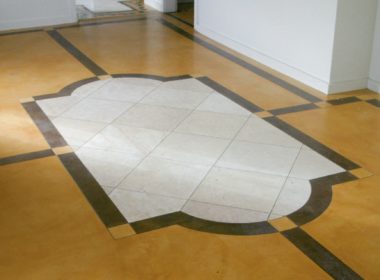
Tips for putting a polymer-modified cementitious overlay on top of a wood surface.

As an old technology finds new applications, walls take on shape and texture.
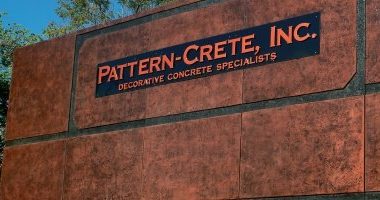
Ken Tucker, a resourceful contractor solves a potential color problem with a new process – turning tilt-up concrete panels upside down.
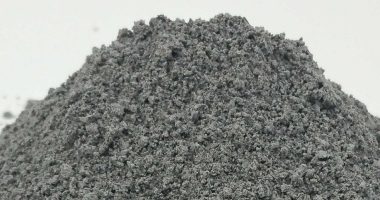
Everyone knows you should use white cement to bring out brilliant colors in your concrete projects. What isn’t so widely known is how to prevent white specks from appearing in some of those deeper colors.
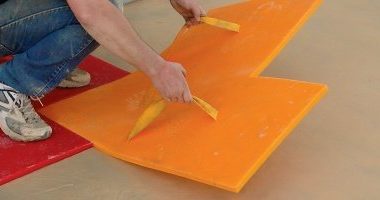
Concrete Decor‘s Technique section is designed to offer readers helpful information on methods for properly preparing concrete surfaces and installing decorative concrete products. This month, we’ll focus on techniques for stamping an overlay
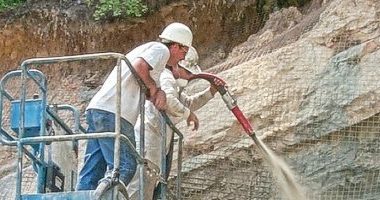
Contractors are increasingly using shotcrete for making artificial rock. The equipment is expensive, but the results are spectacular.

There are a number of principles that come into play when designing a landscape, including proportion, unity, balance and rhythm. These principles should also be considered when incorporating faux rock into a landscape setting.


